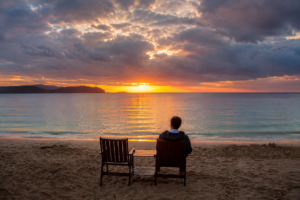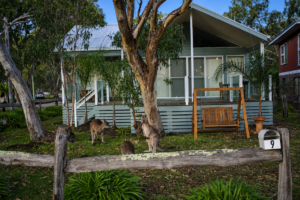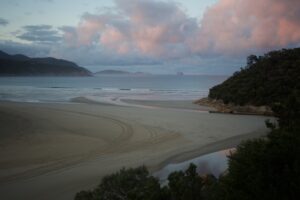
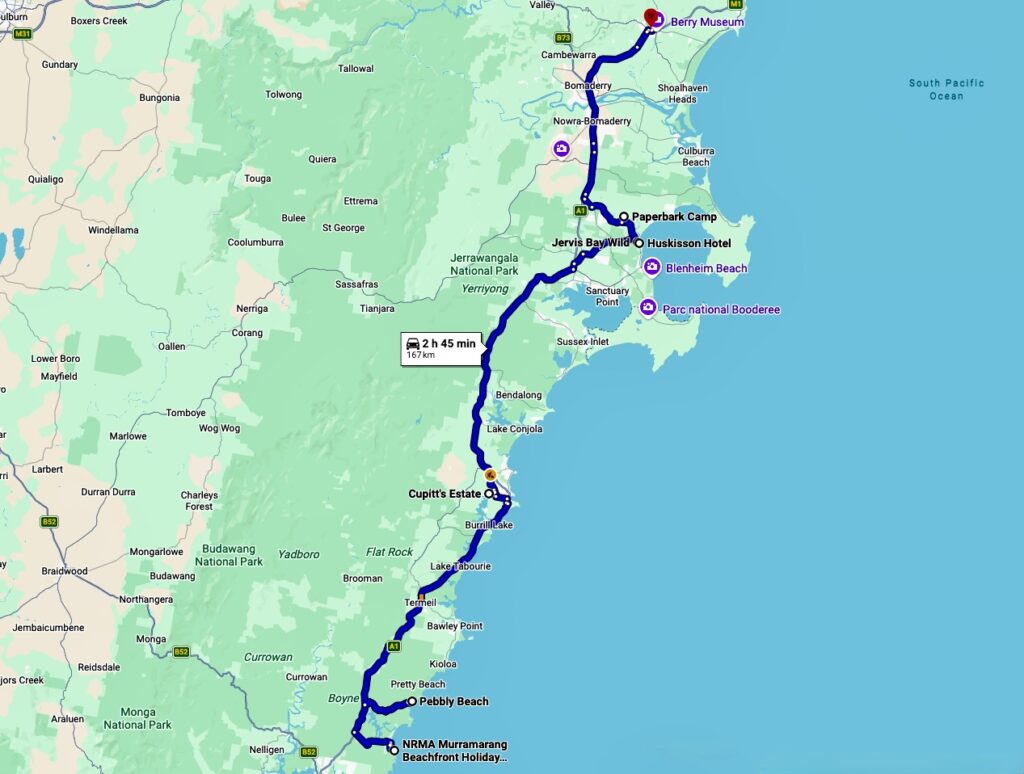
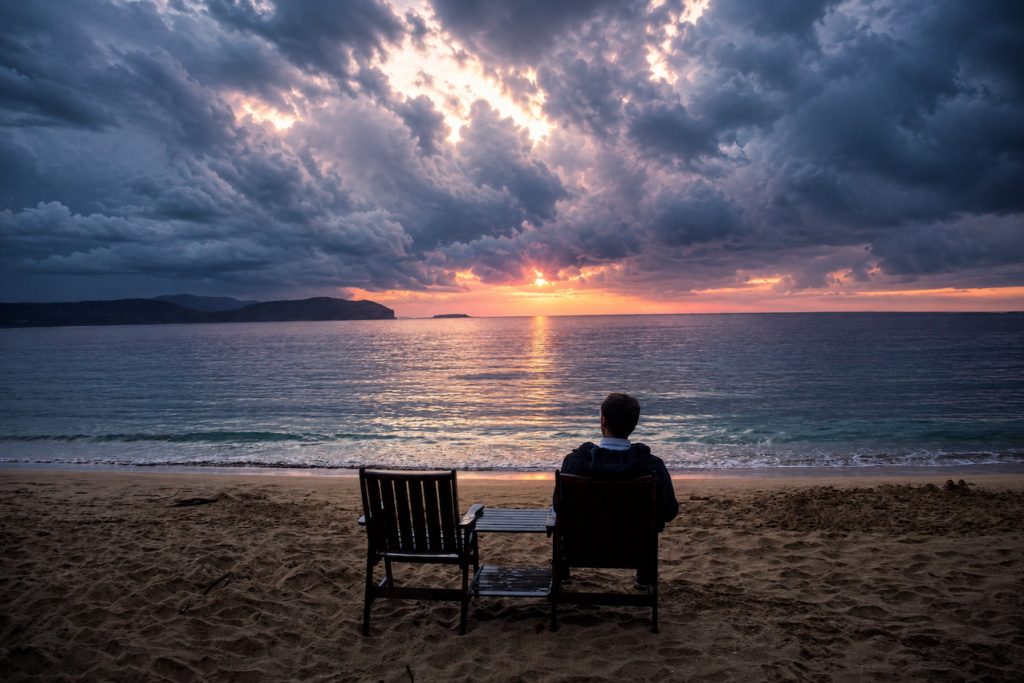
This morning at Murramarang Beachfront Holiday Resort, first light comes straight off the sea. From the villa verandas, the sun rises over Mill Beach, and the first silhouettes on the lawns are not early walkers but eastern grey kangaroos, grazing quietly in the half-light.
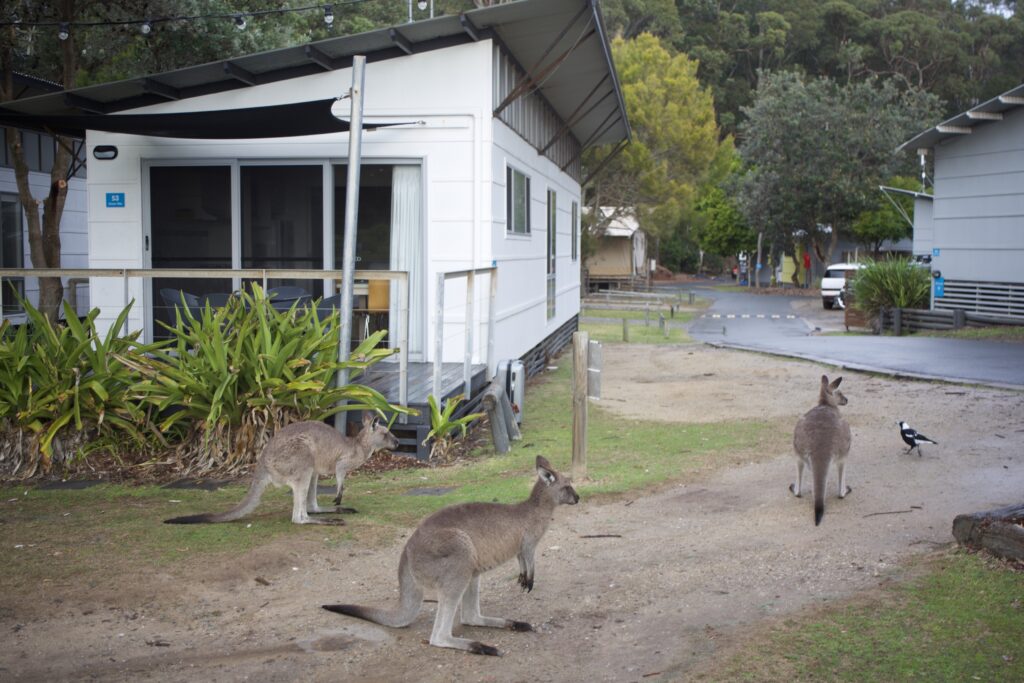
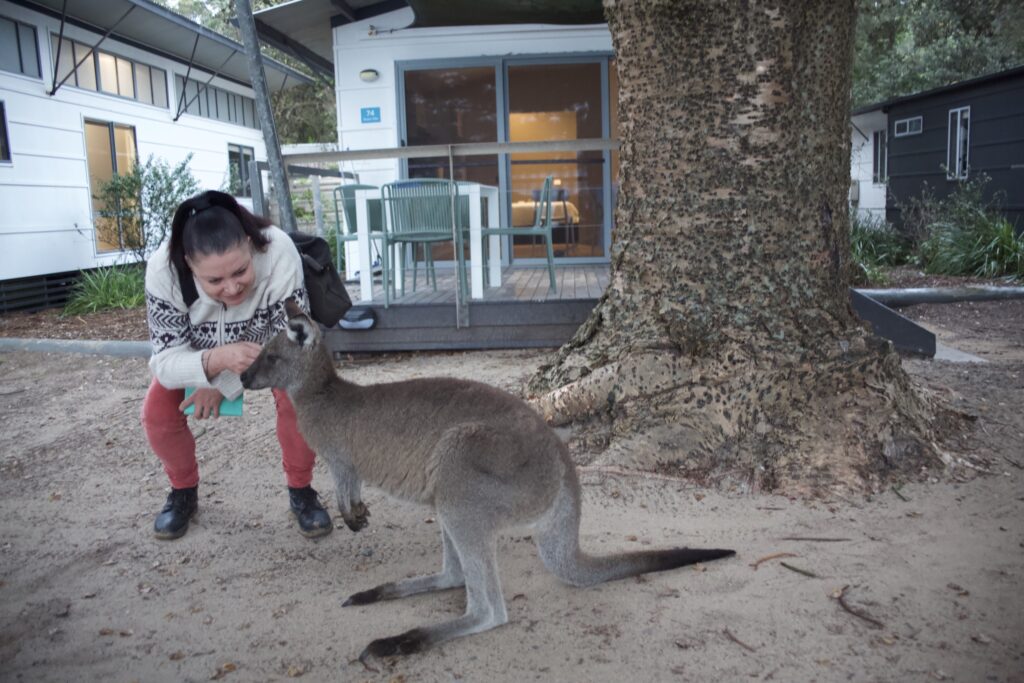
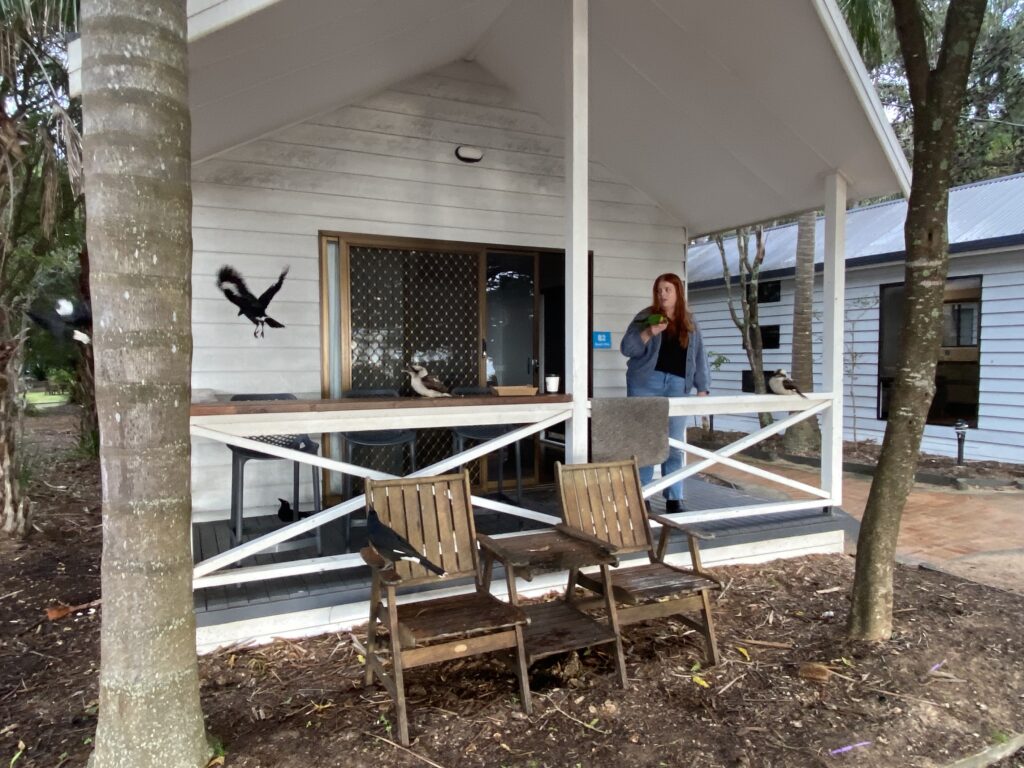
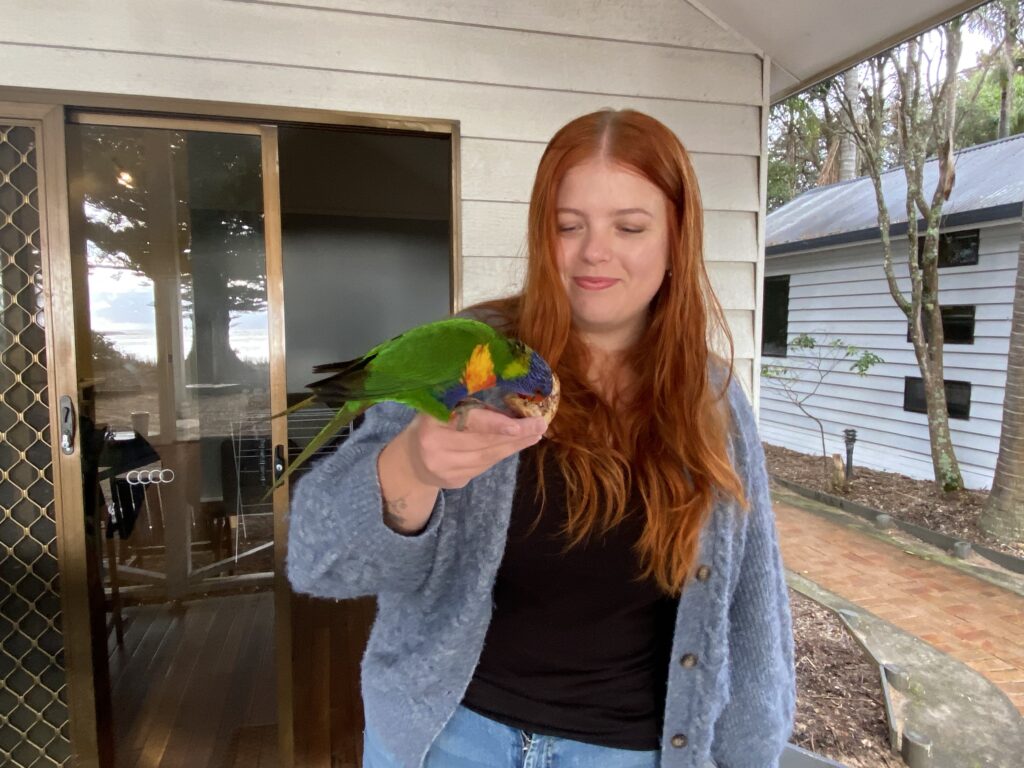
The resort is enclosed by Murramarang National Park, and the park's wildlife makes no distinction between the two: at breakfast time, kookaburras and magpies line the railings, and a lorikeet settles briefly on an outstretched hand. We take breakfast at the restaurant beside the swimming pool and, by 8:30, we are back on the road, keen to see what the day holds.
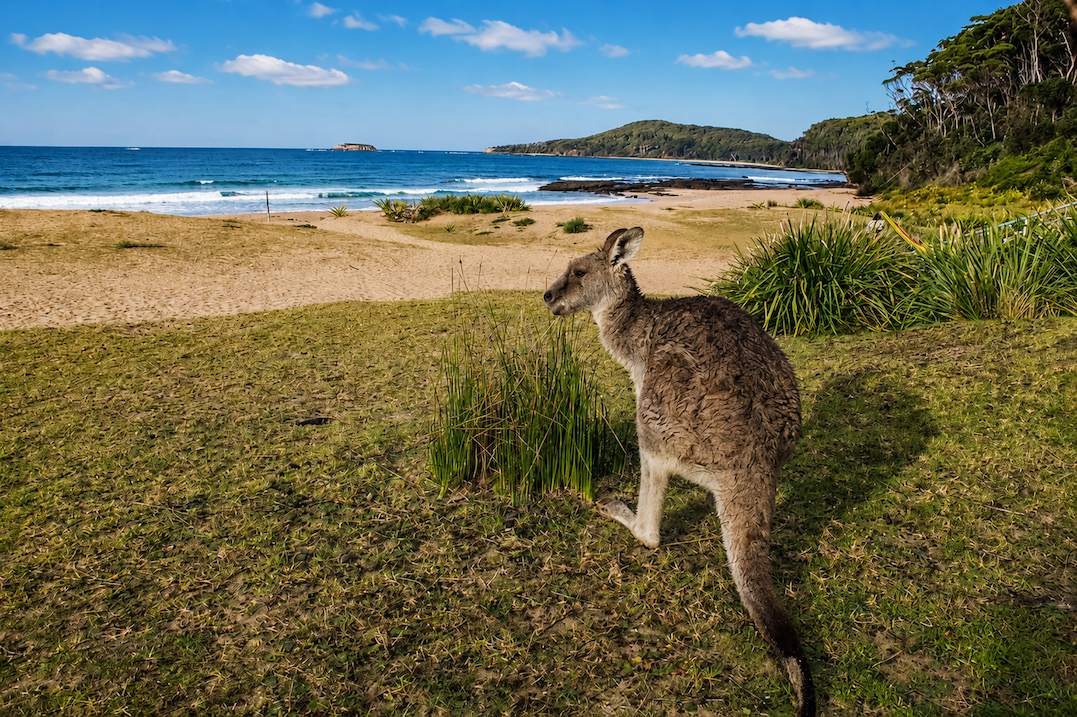
Half an hour north of South Durras, still inside the national park, Pebbly Beach has built a reputation on its resident mob of eastern grey kangaroos, which feed on the grassy flats behind the sand and regularly venture onto the beach itself. "Some very friendly kangaroos on the beach, and sometimes lorikeets," announces Paul, as we drive in. "In fact, they're all through the Murramarang National Park."
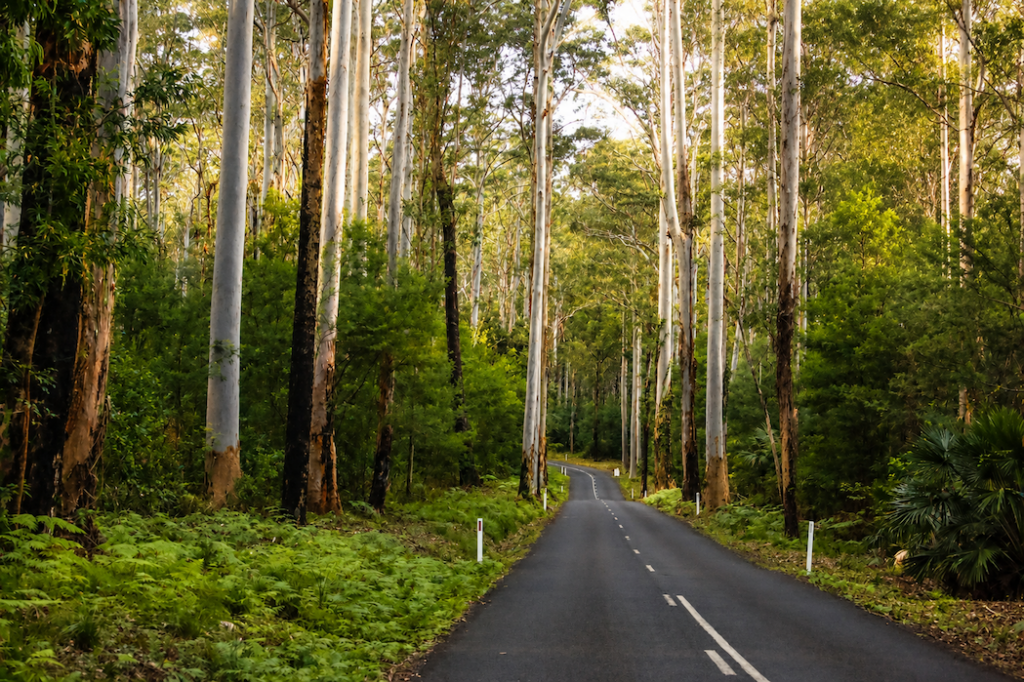
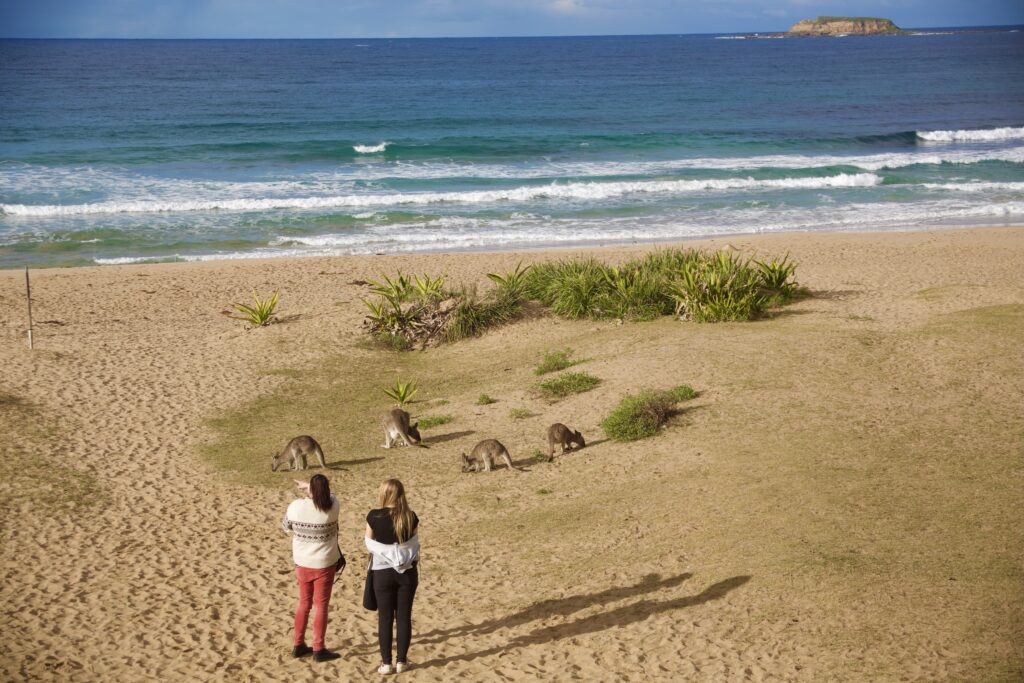
The place even carries a legend: it is known as the home of the "surfing kangaroos", a myth born from a single photograph of a kangaroo caught in the low surf. No one is surfing this morning, kangaroo or otherwise. On a clear winter day, we have the beach almost to ourselves: a curve of sand and smooth pebbles framed by spotted gum forest, a rock platform at the northern end, and the sound of the swell carrying in the cold, clean air.
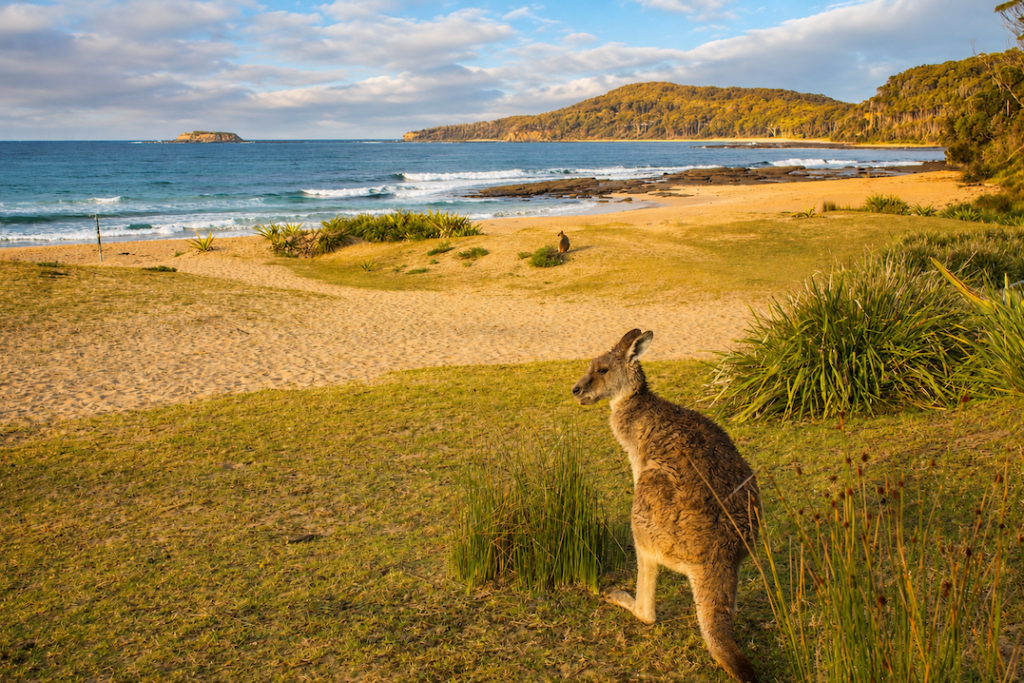
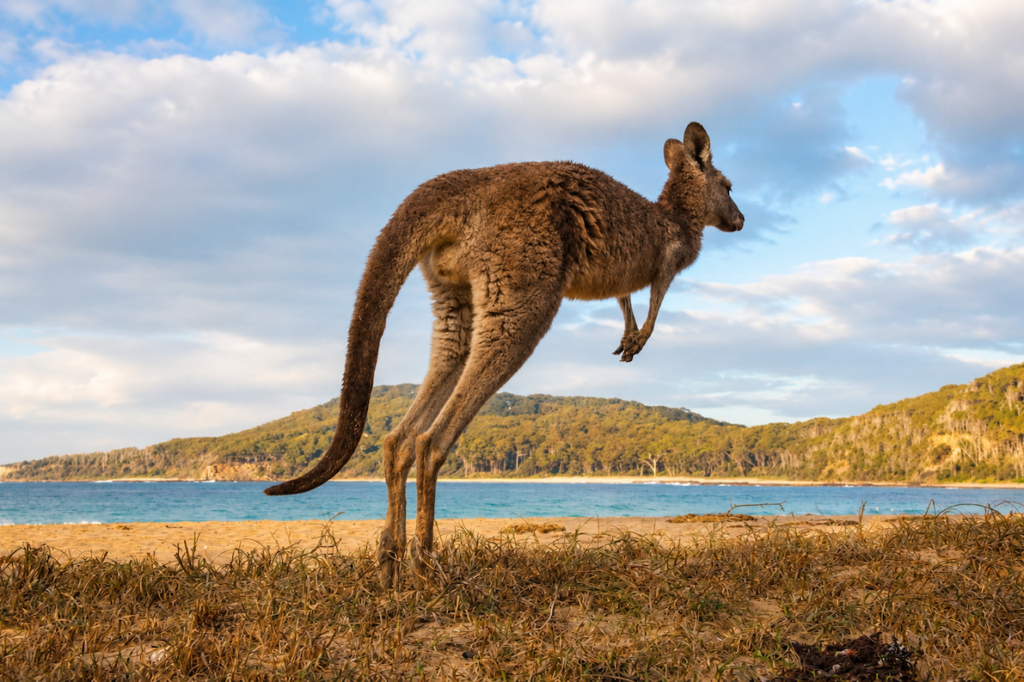
The kangaroos graze on, indifferent to us. It is the kind of stop that needs no commentary, and for once we fall quiet too. By mid-morning we are back in our cars, and the road turns north towards Ulladulla and a very different kind of property.
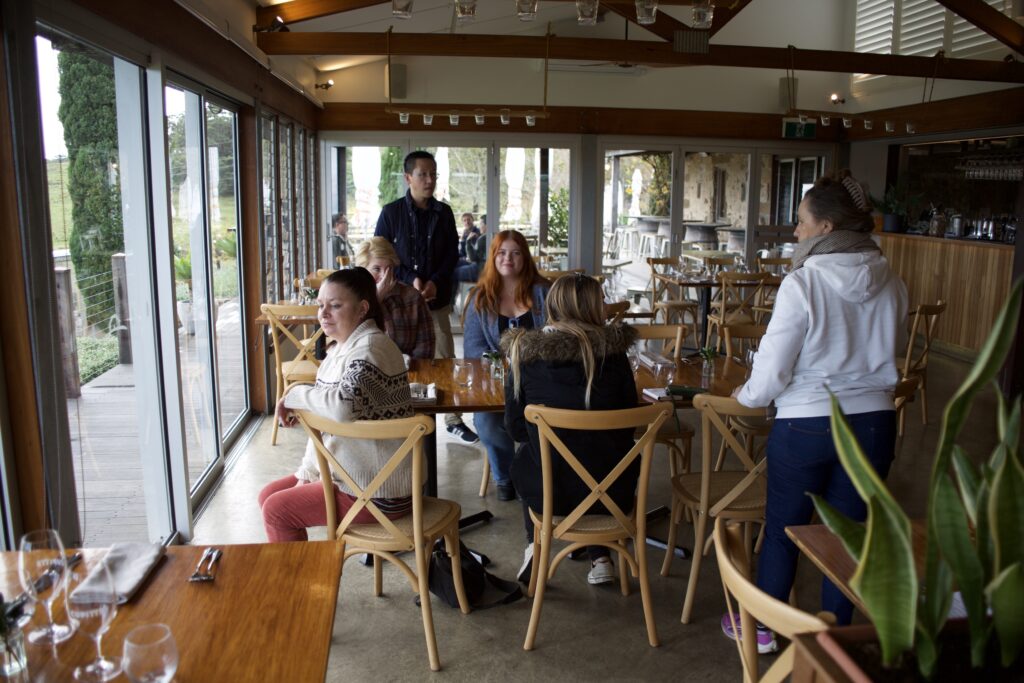
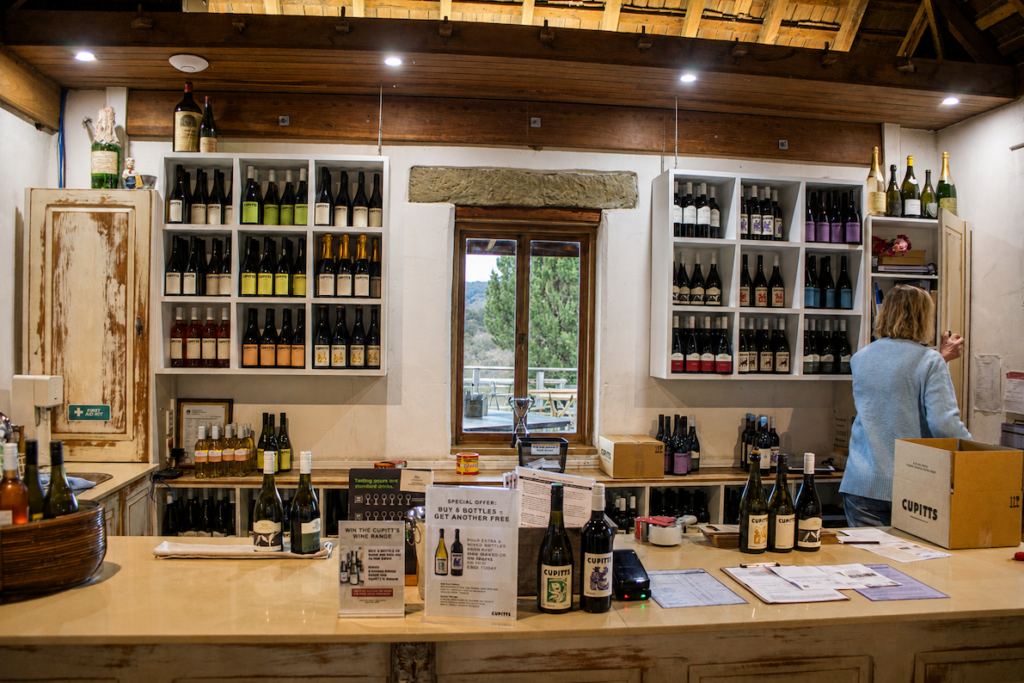
Mid-morning, we pull into Cupitt's Estate, on the hills between Milton and Ulladulla, 10 minutes from Mollymook Beach. What began as a retirement plan has grown well beyond it, as we are told during the visit: Griff and Rosie Cupitt bought the former dairy farm at auction on a whim, intending to run some cattle, grow some grapes and open a small weekend dining room in the old Creamery.
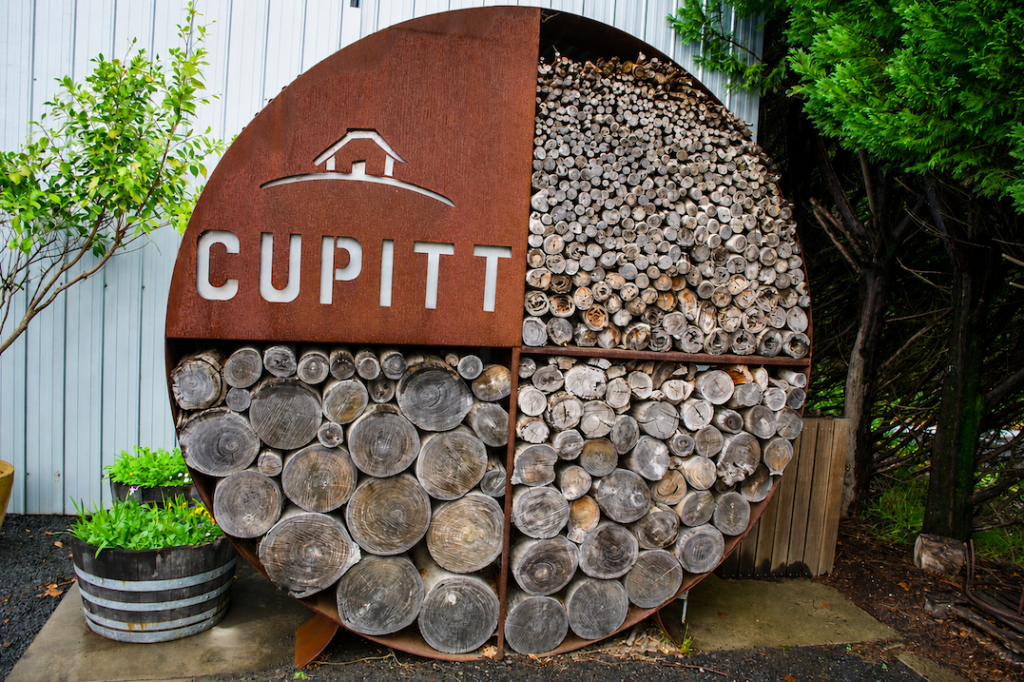
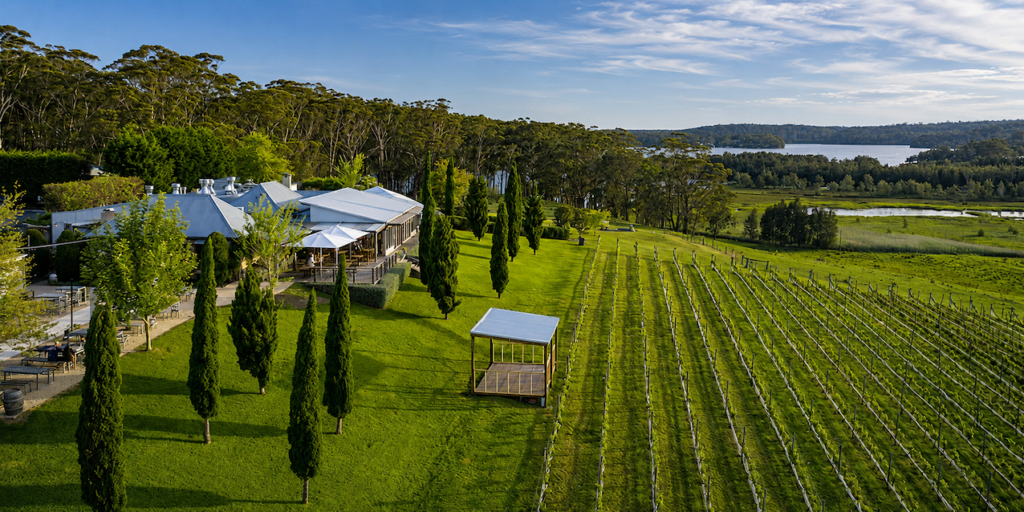
Since 2007, the family business has added, one by one, a winery, a microbrewery, a fromagerie, an organic kitchen garden, a cellar door and a restaurant overlooking the vines, Burrill Lake and the Budawang Ranges.
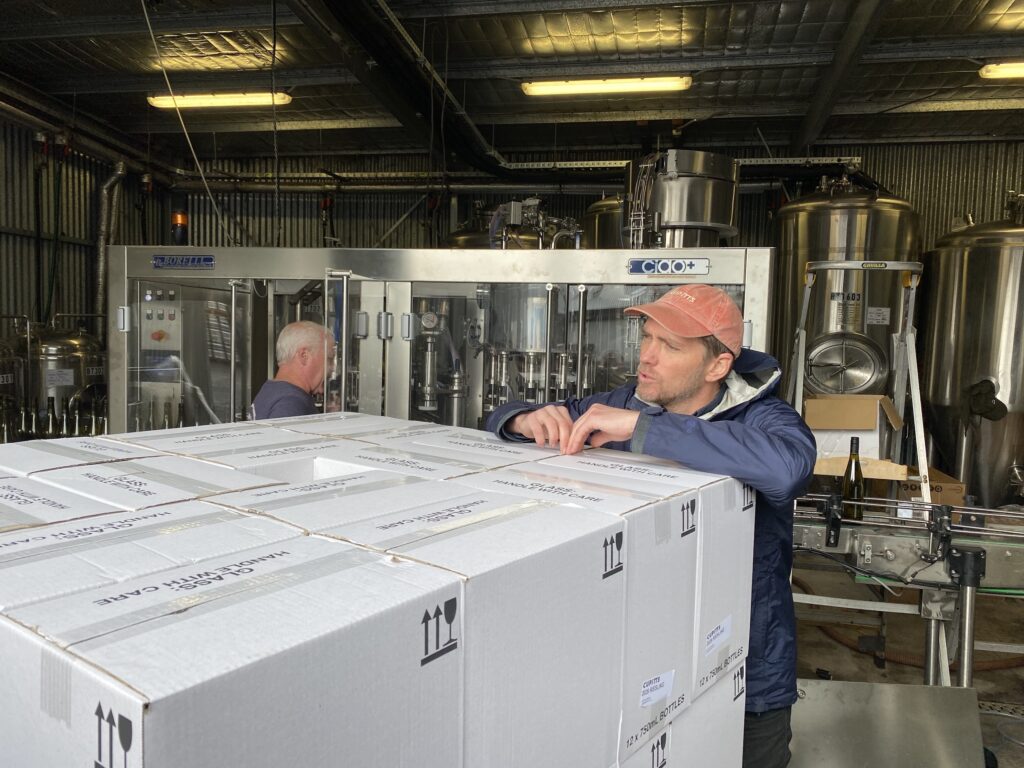
The next generation now runs much of the estate. In the winery, Wally Cupitt, the younger son and head winemaker, walks us through the operation among the steel tanks and freshly packed cases of the latest bottling run. His approach is hands-on and deliberately restrained, focused on letting the vineyard and the South Coast climate speak through each vintage. “For us, winemaking is about respecting what comes in from the vineyard,” he says. “The job is not to overwork the wine, but to guide it carefully so it keeps its freshness, texture and sense of place.”
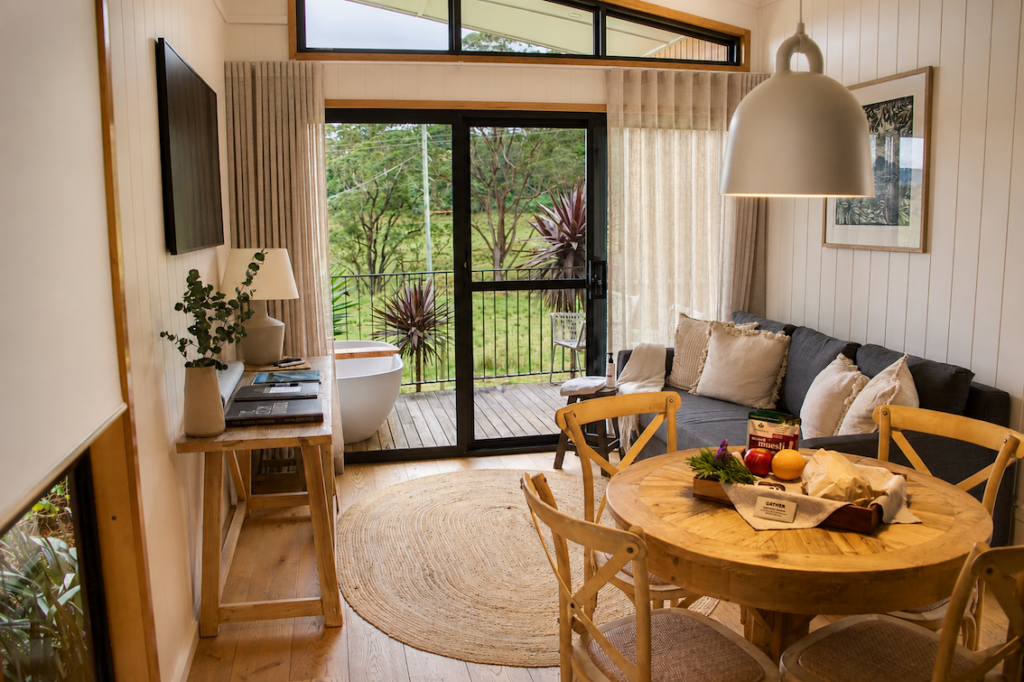
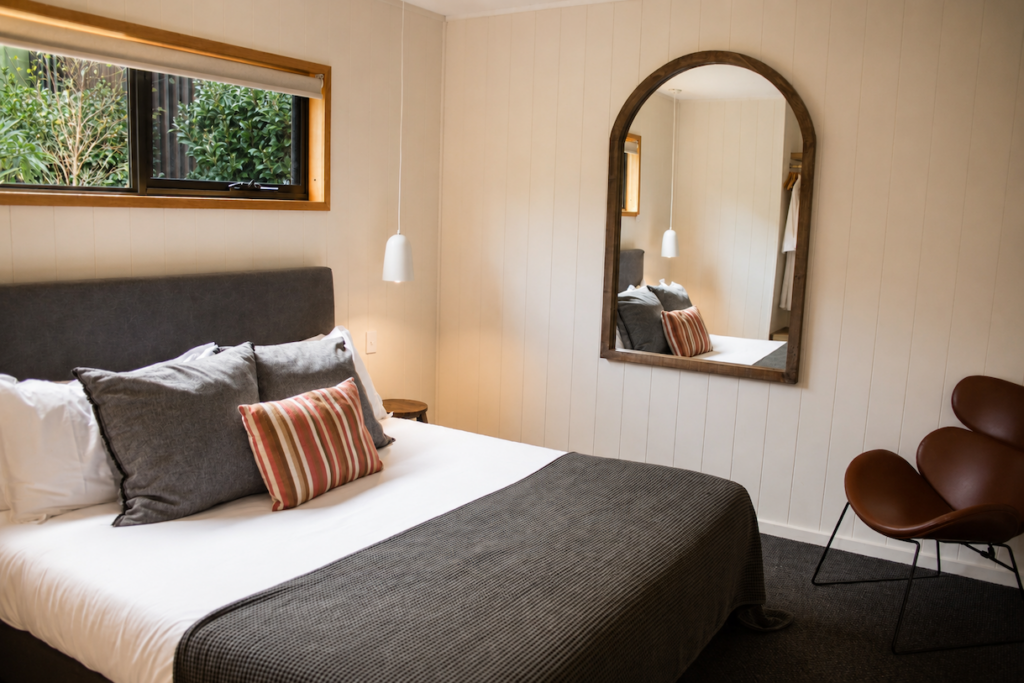
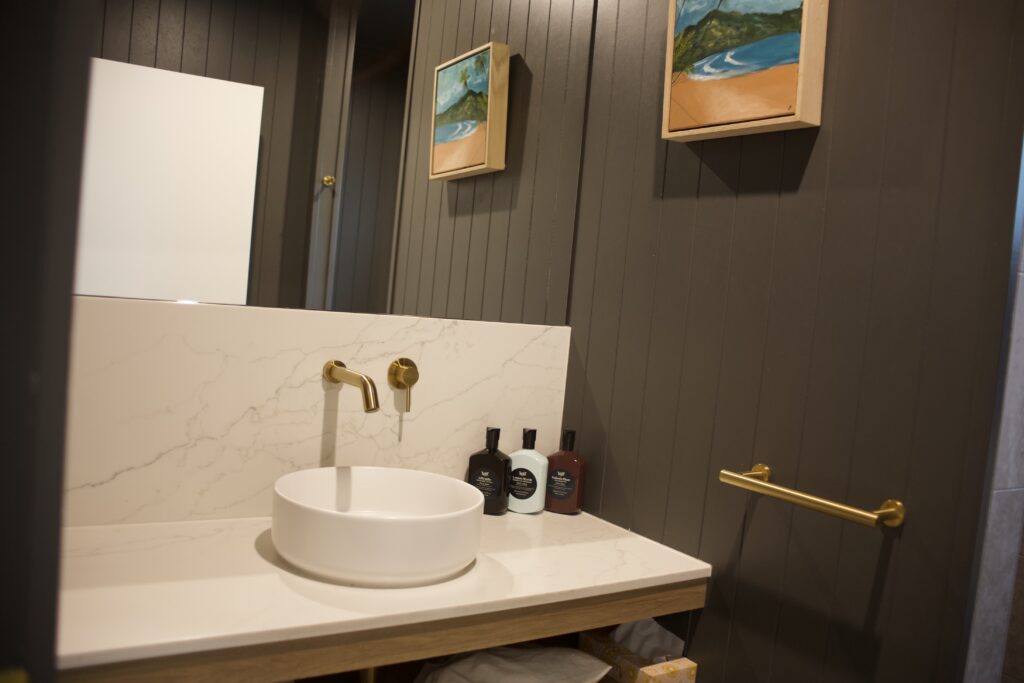
Sylvia Gleeson, the estate’s accommodation manager, then shows us the 10 stand-alone one-bedroom luxury villas, set a short walk from the restaurant, four of them with private outdoor baths on the deck. The set-up lets guests taste, dine and sleep on the same property, with each villa designed as a private retreat overlooking the estate’s rural landscape. “People often arrive thinking they are here for dinner and wine,” Sylvia says. “But what they remember is waking up here — the stillness, the view, that feeling of having the estate almost to themselves for a moment.” By late morning, our cars are back on the Princes Highway, heading north to Huskisson, 45 minutes away.
At noon, we reach Huskisson and sit down for a casual lunch at the Huskisson Hotel, the waterfront pub locals simply call the Husky.
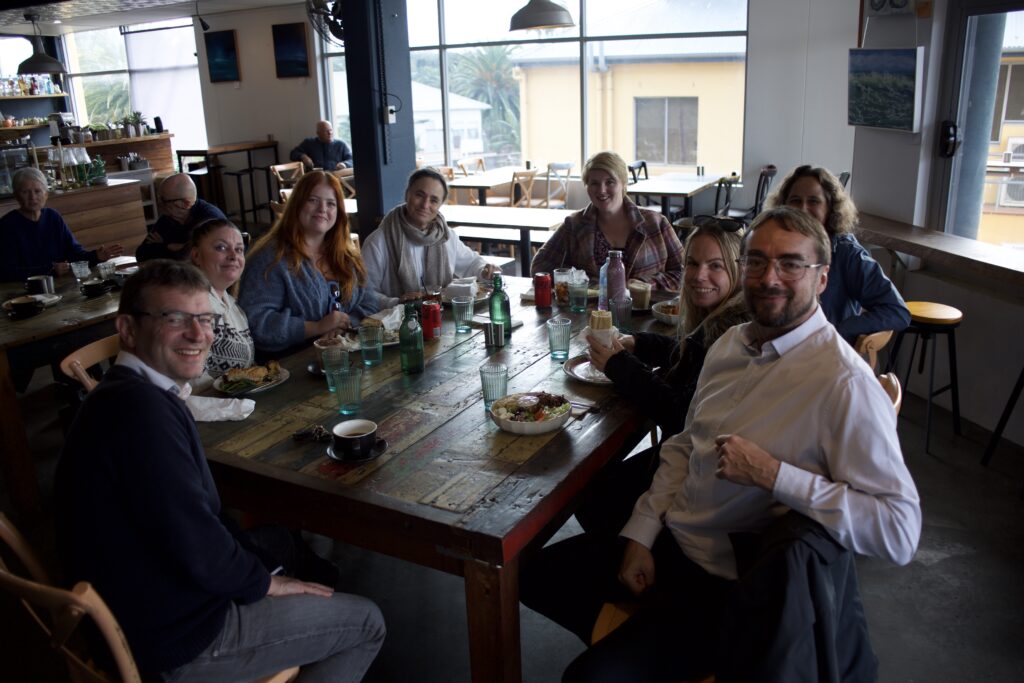
The bistro, open daily for lunch and dinner, runs from local seafood to pub classics, served indoors or on a wide deck overlooking the bay. The practical point for a packed day: the Jervis Bay Wild terminal at Fishermens Wharf is a few minutes' walk away, which makes lunch at twelve and a cruise at a quarter to one a comfortable sequence.
Jervis Bay, Paul had told us on the road, is “one of the most pristine waterways you’ll find anywhere in Australia.” At this time of year, he added, the whales are not a matter of luck so much as timing: from May to November, more than 40,000 whales travel along the NSW coast on the so-called Humpback Highway, with late June and July among the peak weeks for the northbound migration. “By the end of June, they’re moving past here in serious numbers,” he said. “If the sea is kind and we keep our eyes on the horizon, there’s every chance we’ll see them.”
And he was right ! Minutes after dessert, we board the Port Venture, ready to spot the giant humpbacks moving north along the coast. The catamaran is the workhorse of Jervis Bay Wild, the Huskisson operator whose cruises run year-round: purpose-built for sightseeing, with open upper decks and a boom net at the stern for summer swims.
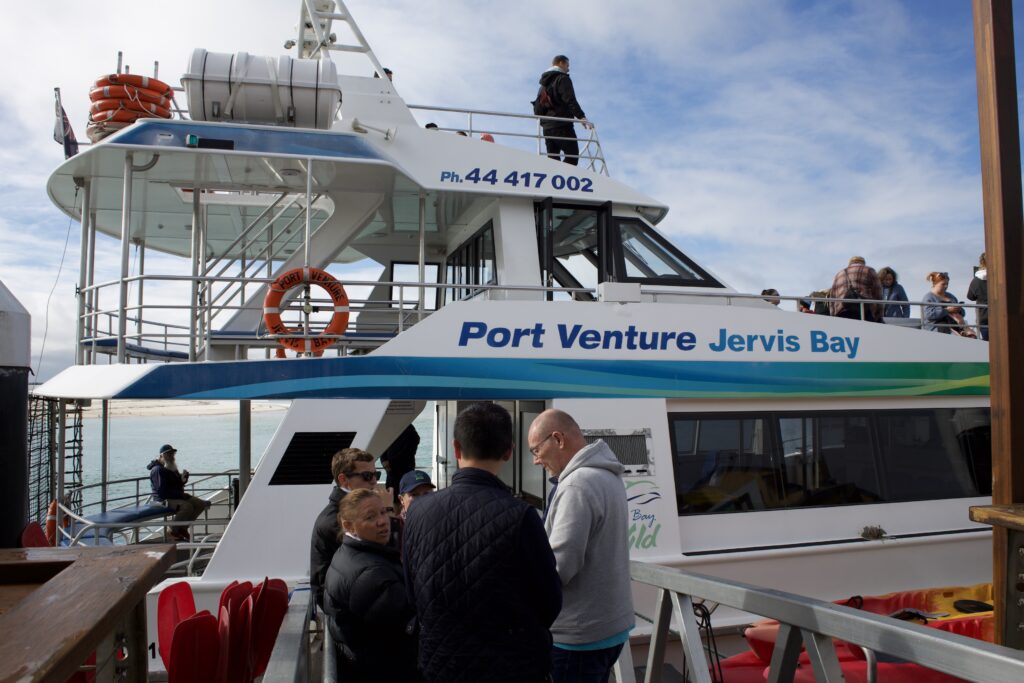
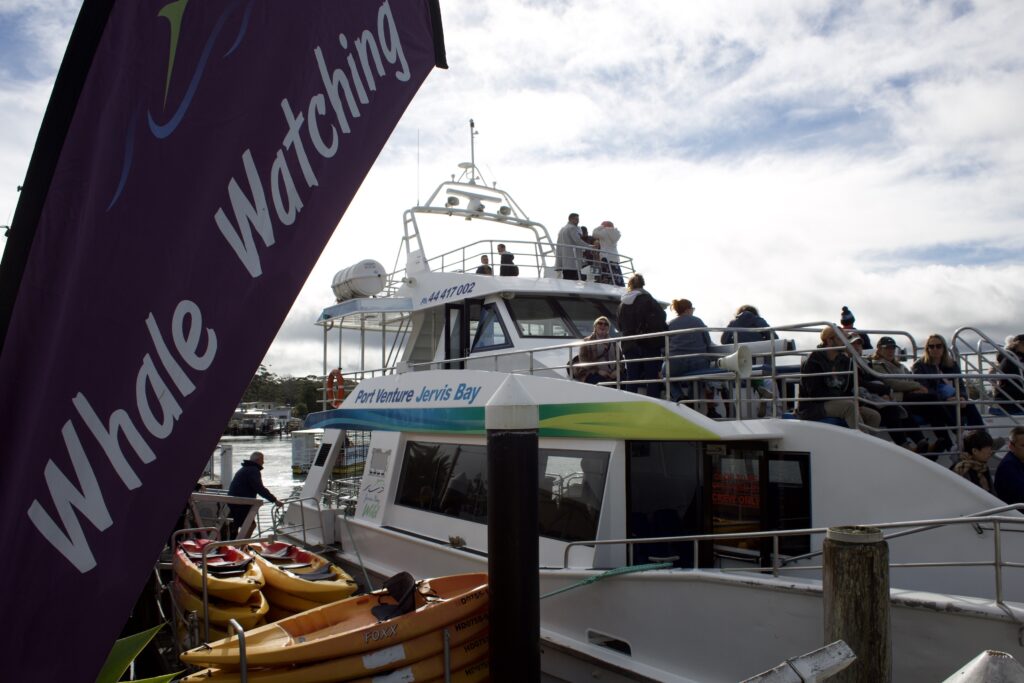
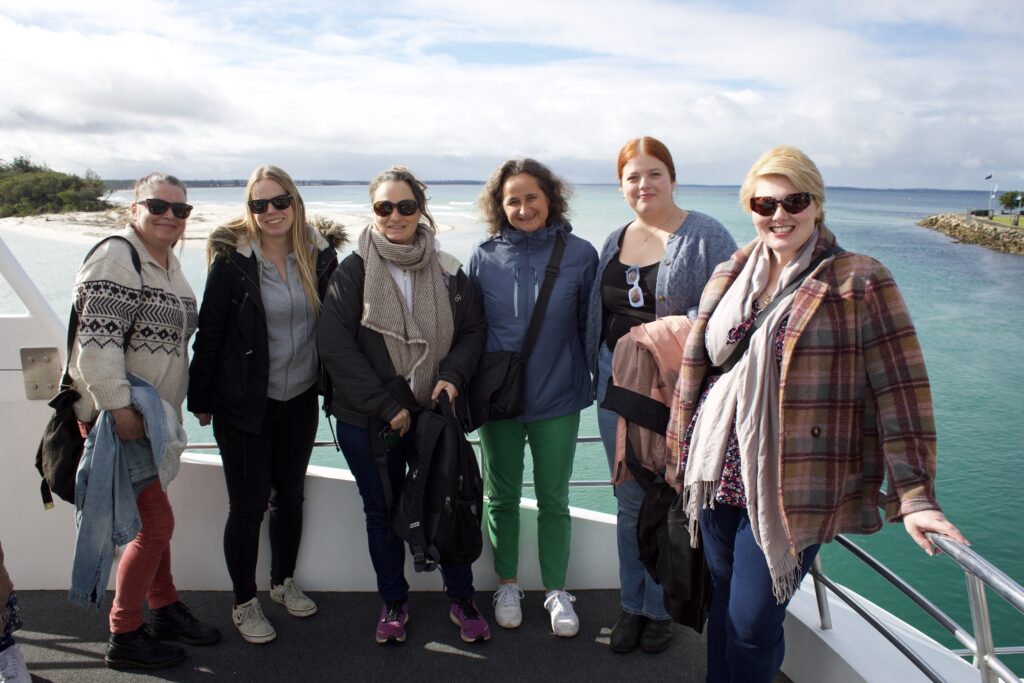
The first half hour belongs to the bay. The boat follows the shoreline past a string of white-sand beaches, the water shifting from turquoise to deep blue as the cliffs of the Beecroft Peninsula rise ahead. Jervis Bay's resident bottlenose dolphins, some eighty of them, are the advertised stars of this cruise. They are upstaged.
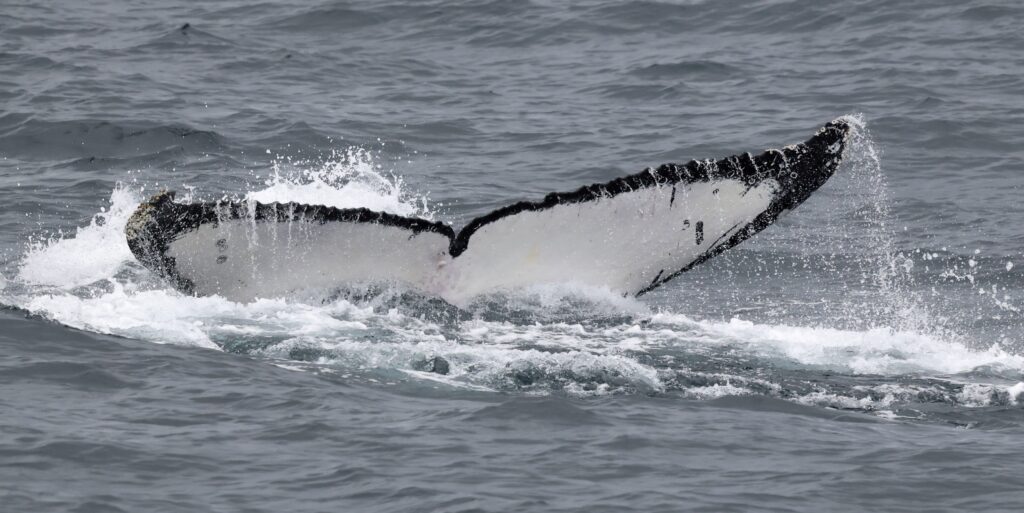
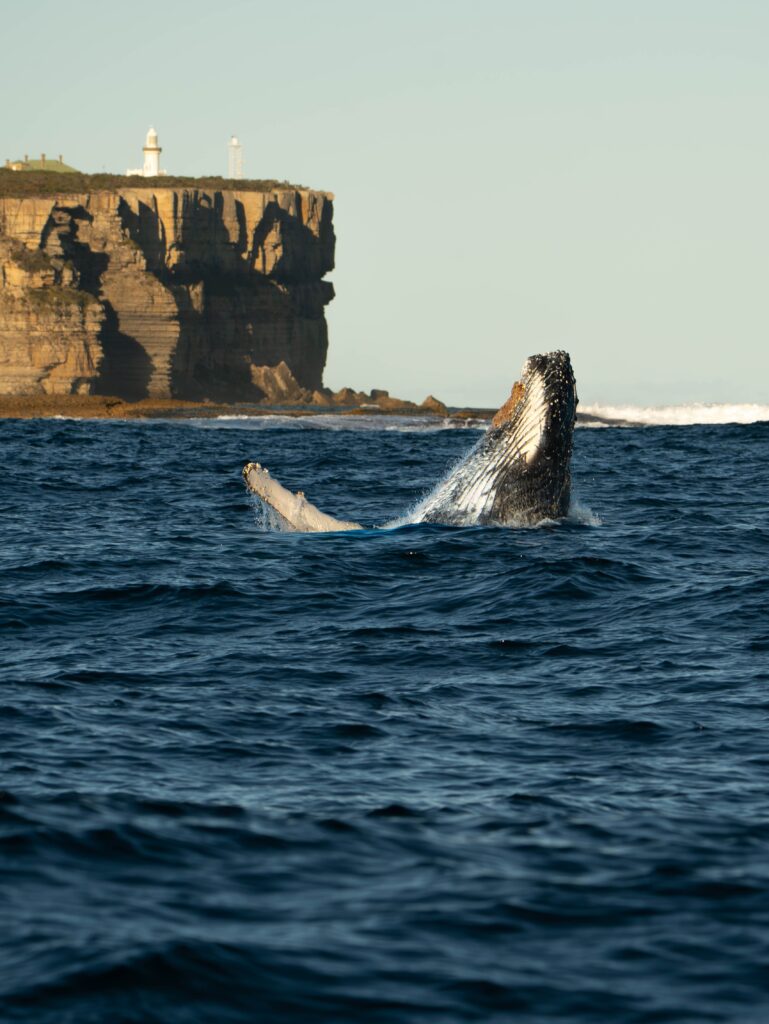
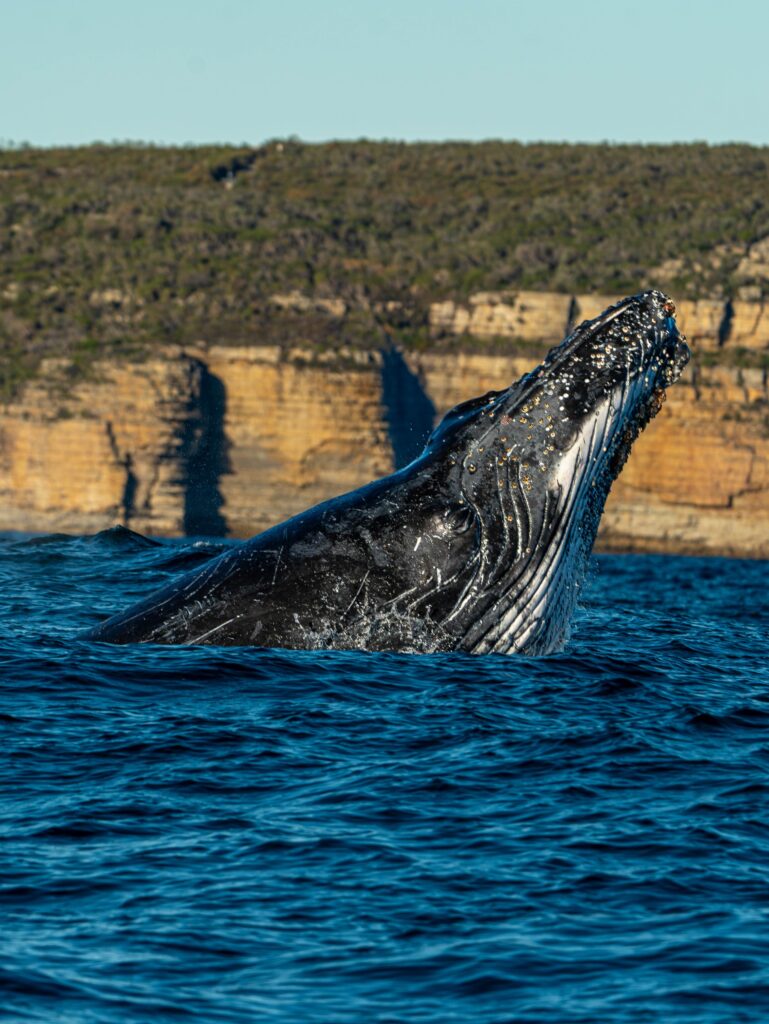
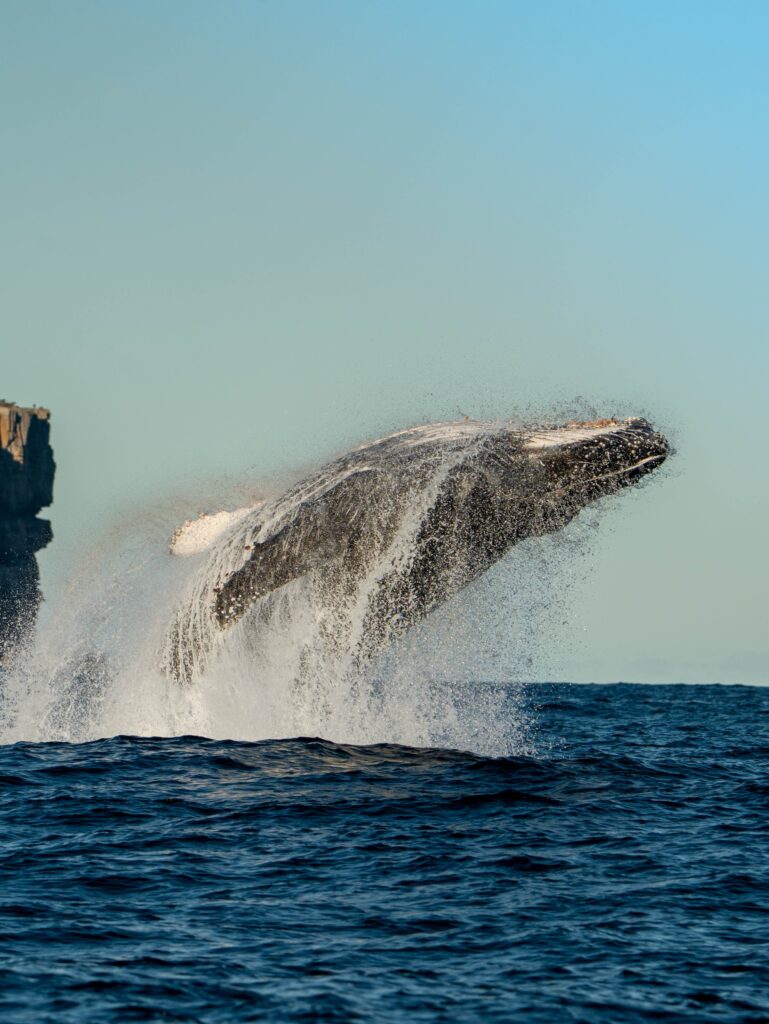
Beyond the heads, under the lighthouse at Point Perpendicular, the skipper cuts the engines: four humpback whales are working their way north along the migration route locals call the Humpback Highway. For long minutes, we watch them surface, roll and blow against the cliffs, until one launches its full weight clear of the water. Nobody on deck says anything sensible for a while. June sits in the middle of the northern migration, when humpbacks travel from Antarctic waters to their breeding grounds off Queensland; sightings are never guaranteed, but this is the season that makes them very likely !
A 10 minutes drive from Huskisson, up a dirt track off Woollamia Road, Paperbark Camp is often credited as the birthplace of Australian glamping. Jeremy and Irena Hutchings conceived it after their travels in Africa in the 1980s and 90s, and opened in 1999: 13 canvas safari tents raised on stilts among the eucalypts and paperbarks, each with a veranda, an open-air ensuite and solar lighting, and each named after a local bird.
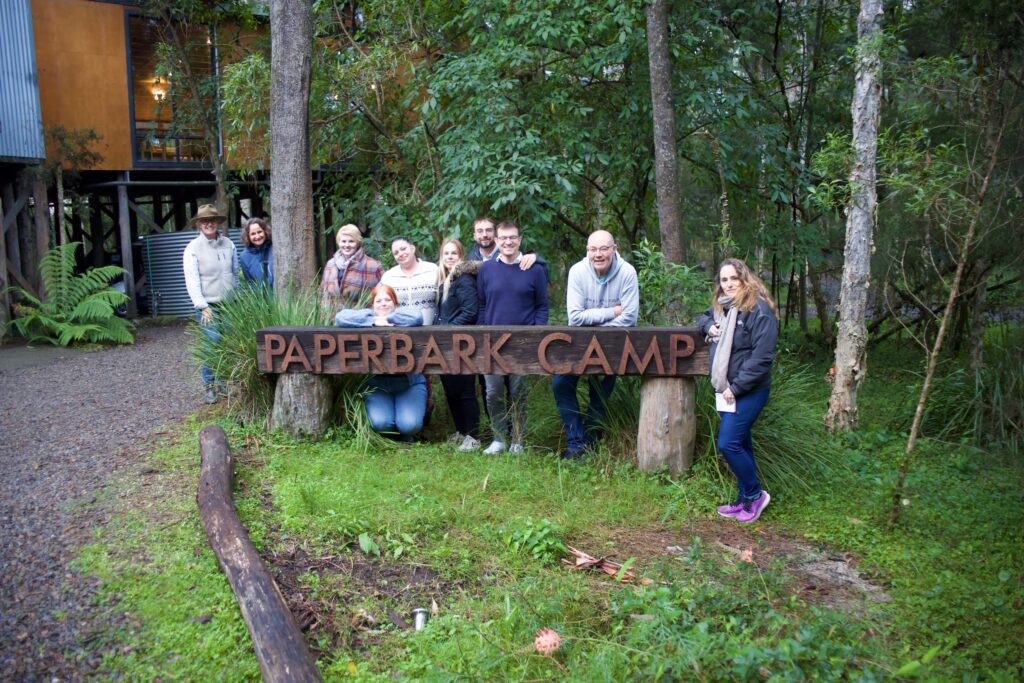
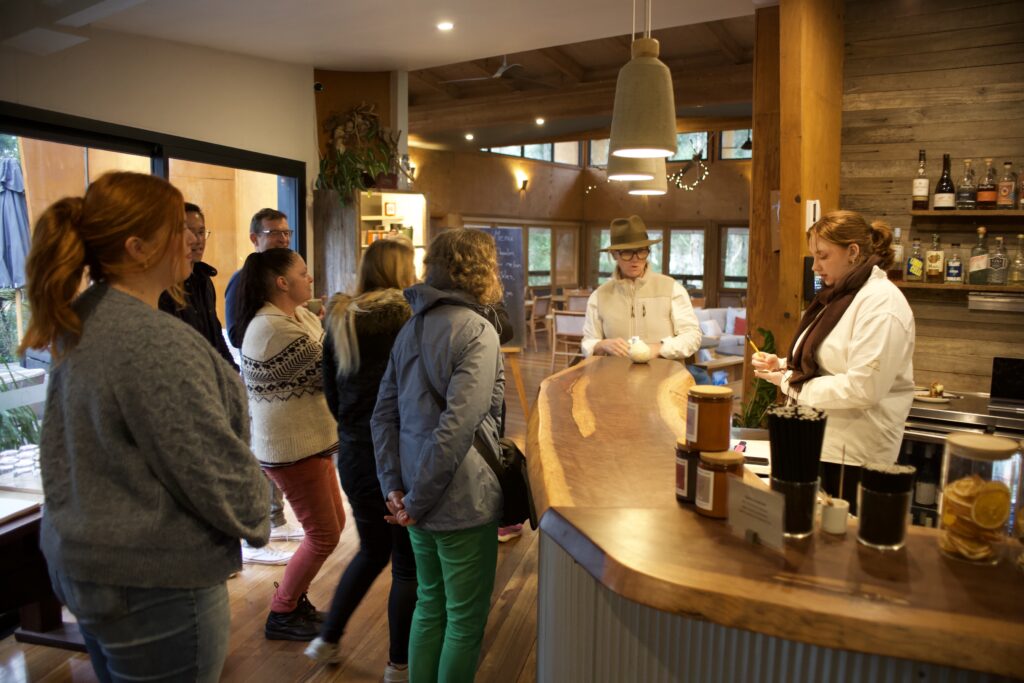
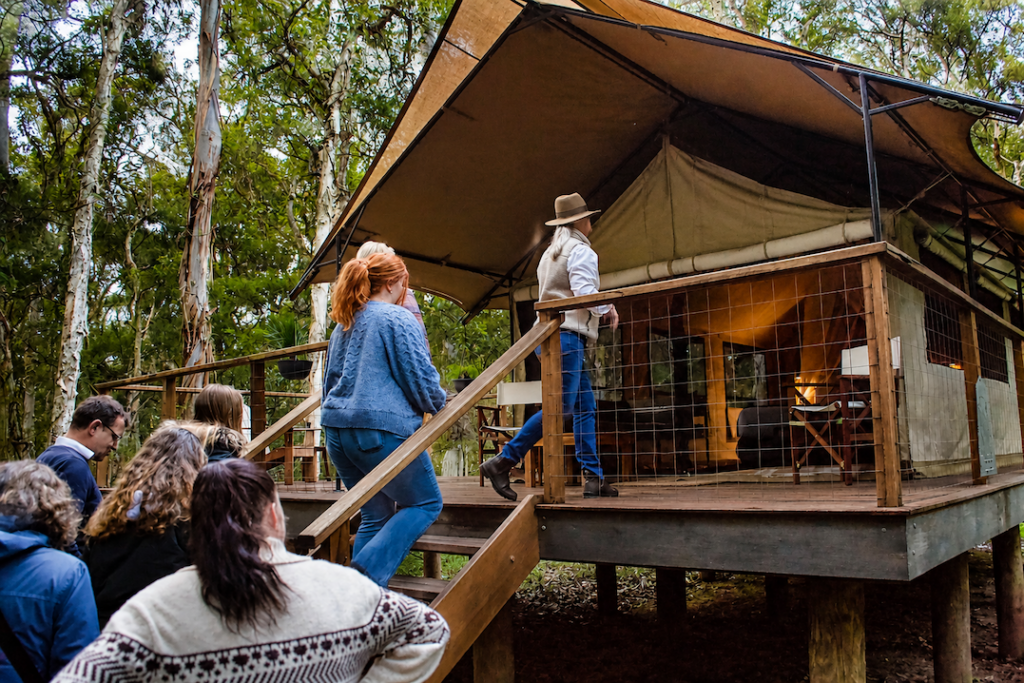
There is no television and no air-conditioning, by design; fans cool the tents in summer, basic heating now takes the edge off winter nights, and a small "no service" sign on the amenities shelf sets the tone. Camilla Hamilford, daughter of the founders and the camp's sales director, welcomes us at the Gunyah, the timber lodge at the heart of the camp whose name means "meeting place". Part restaurant, part lounge, it is where we drink tea by the fire before touring the tents. The candlelit Gunyah restaurant, dinner among the treetops, is a large part of the camp's reputation, and breakfast is included in all stays.
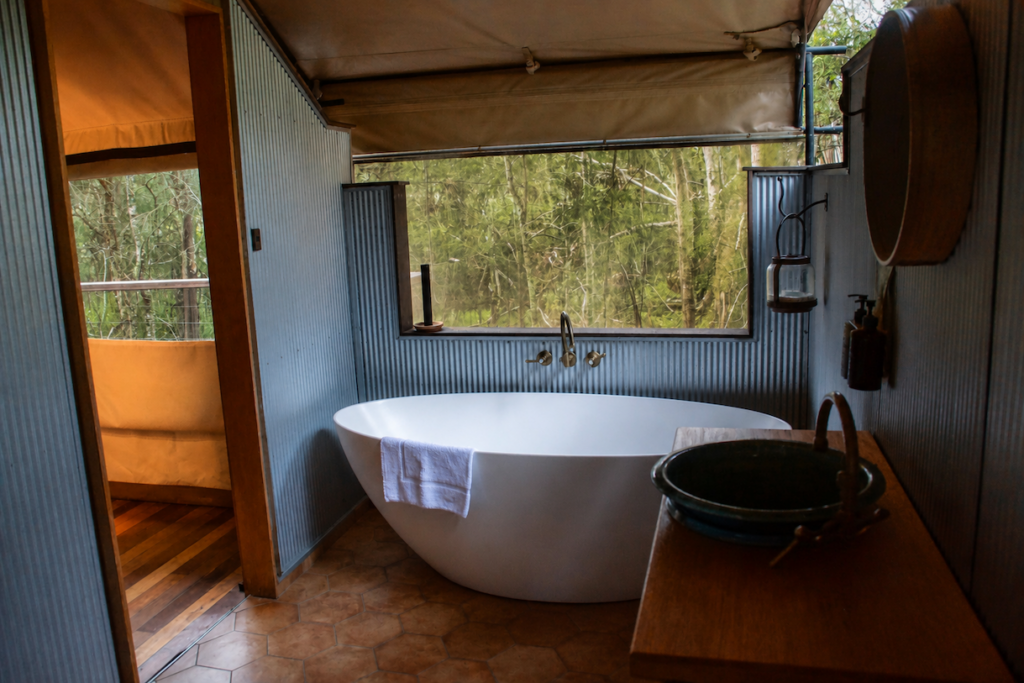
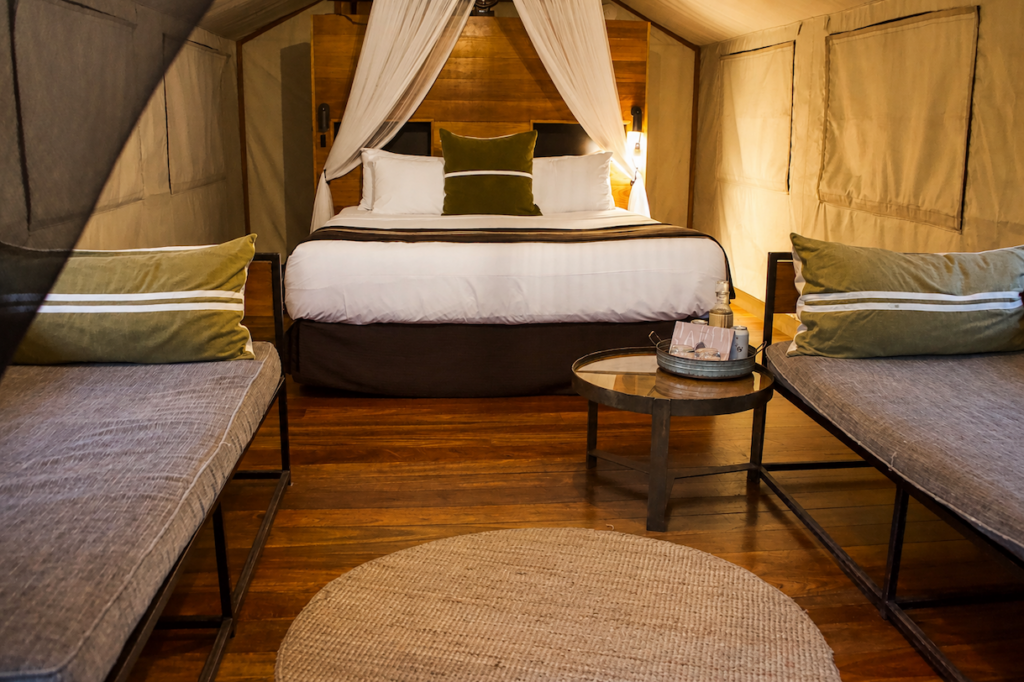
Complimentary canoes and bikes connect guests to Currambene Creek and Huskisson. The camp knows its clientele: "Northern Europe especially," Camilla tells us. "They really love and get this environment, they seek it out." Two booking notes from our host: the camp closes for a month each August, and dinners at the Gunyah, until now left to guests to arrange, are being reintroduced as a bookable add-on. Children under ten are not accepted, which positions the camp squarely for couples and adult groups.
Five minutes away on the other side of Woollamia, the day's second inspection tells a different story. Bay and Bush Jervis Bay, long known as Bay and Bush Cottages, has rebranded as a nature retreat: 27 acres, about 11 hectares, of bushland with 8 self-contained cottages, a wellness studio, an apiary, and, since late November, a row of 4 brand-new safari tents on raised decks, each named after a native plant and designed for couples.
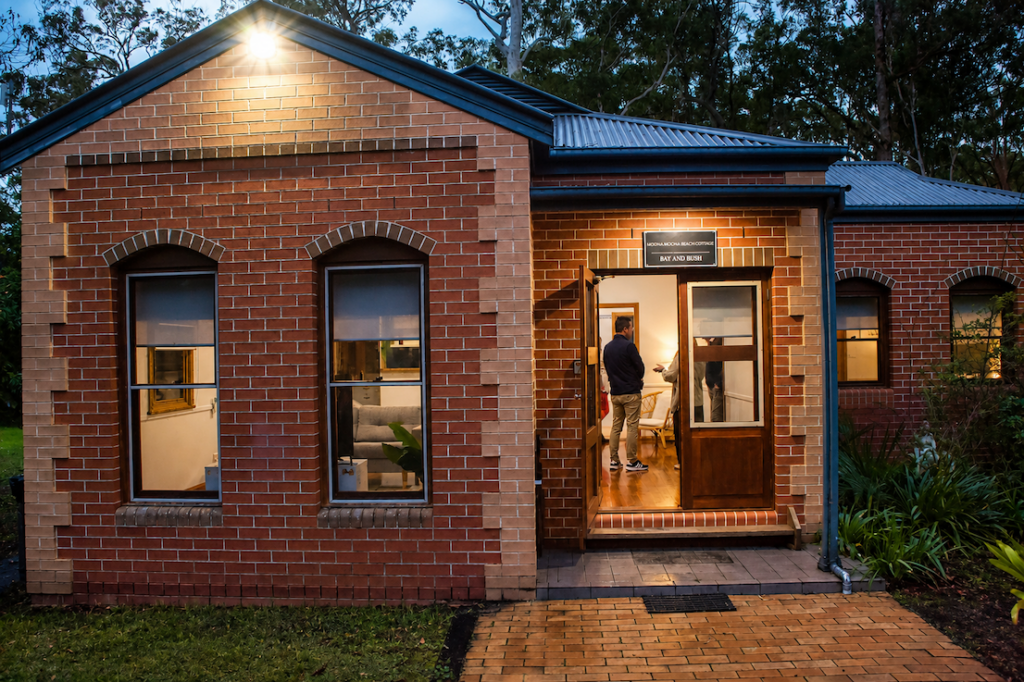
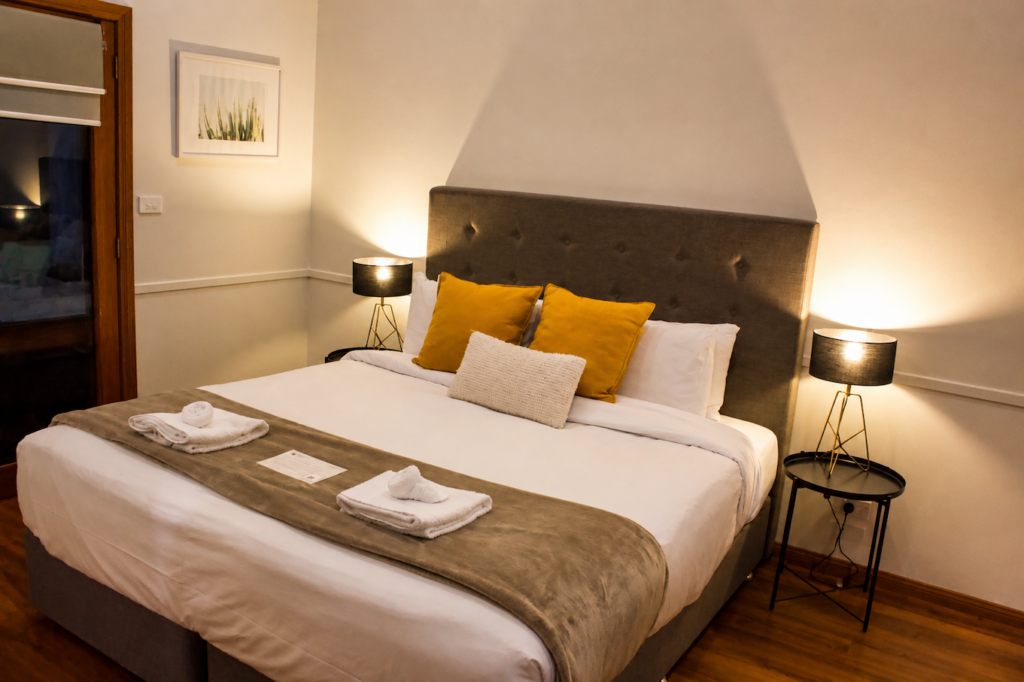
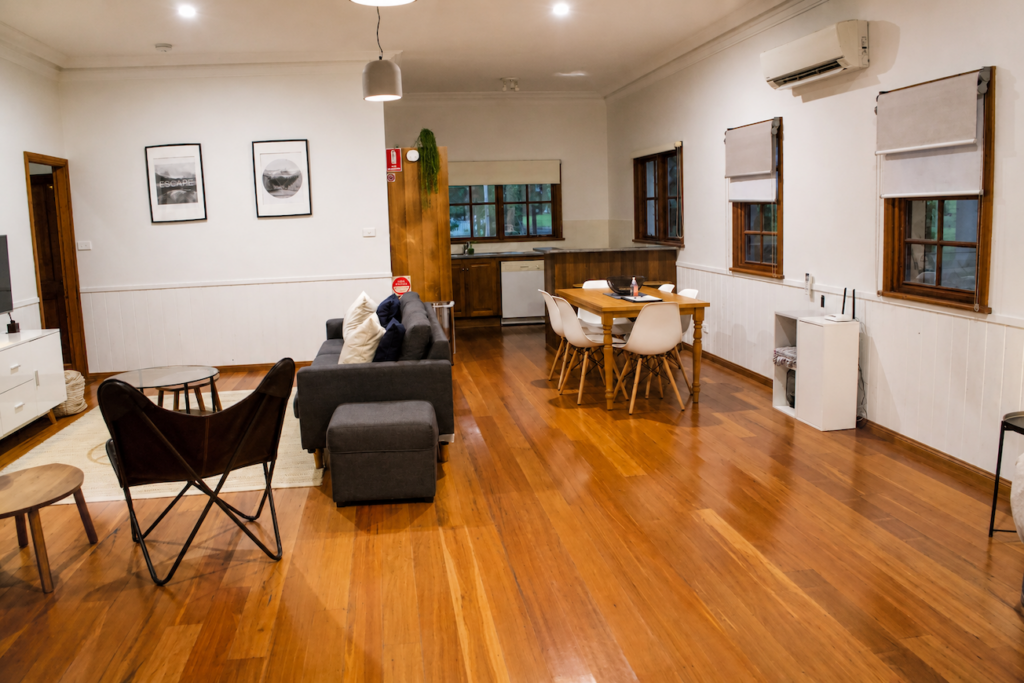
The tents are the newest accommodation on this famil, and they have started well. “We opened for peak season,” the team tells us, “and they were booked back to back.”
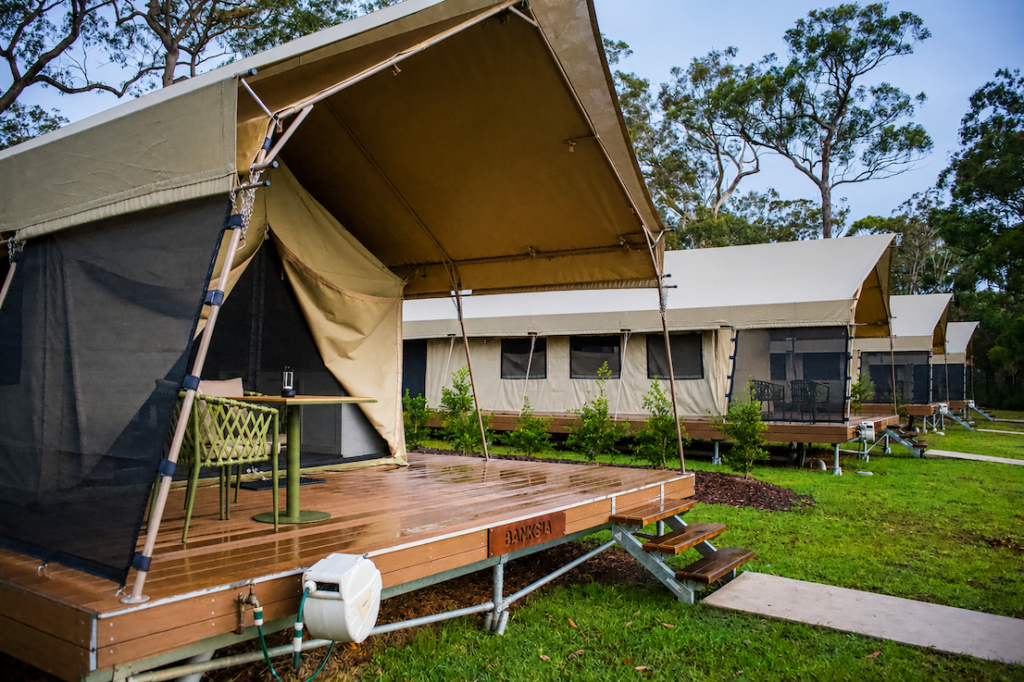
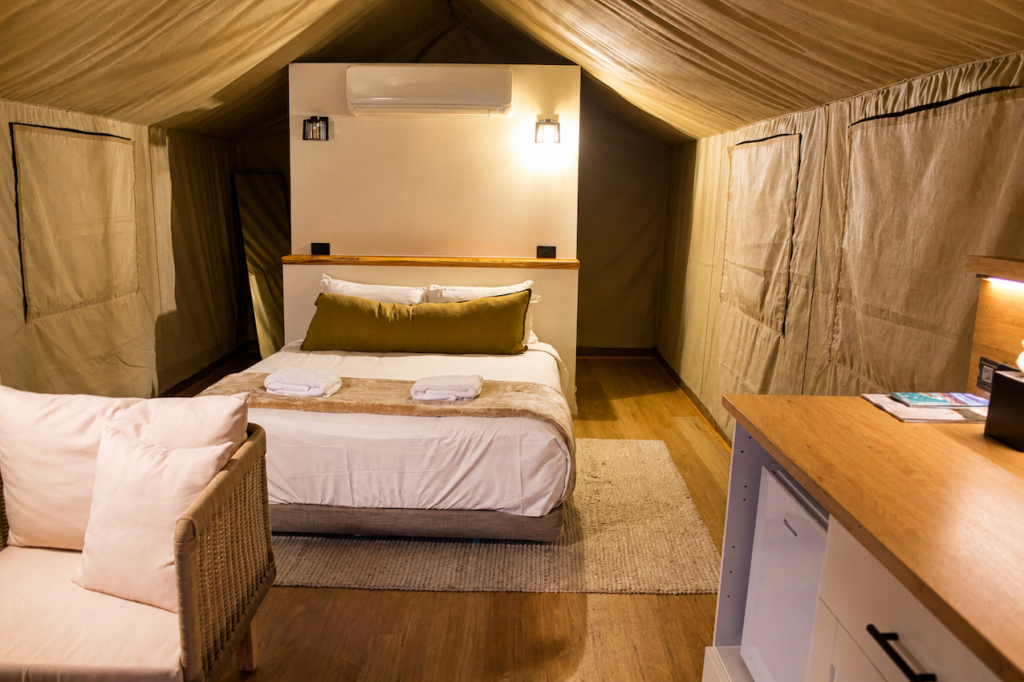
The other change is the café, opened in September: breakfast, prepared by the resident chef, is now included with every stay. The kitchen also serves lunch from Thursday to Sunday, with a short seasonal menu running from porridge to slow-roasted ossobuco. For dinner, guests drive into Huskisson or cook for themselves, as the cottages come with full kitchens. We tour a cottage and the Banksia tent as the light fades, tea in hand, kangaroos somewhere in the dark beyond the deck.
"We end the day heading to the Linnaeus Collection in Berry," Paul announces from behind the wheel, "for a wonderful in-house dinner prepared by professional chefs." By five o'clock, our two cars pull into the heritage village and park in a quiet cul-de-sac one street back from the main shops: Rubus Residences, 3 light-filled houses, each sleeping 4 guests in private bedrooms with their own ensuites, each with a heated pool.
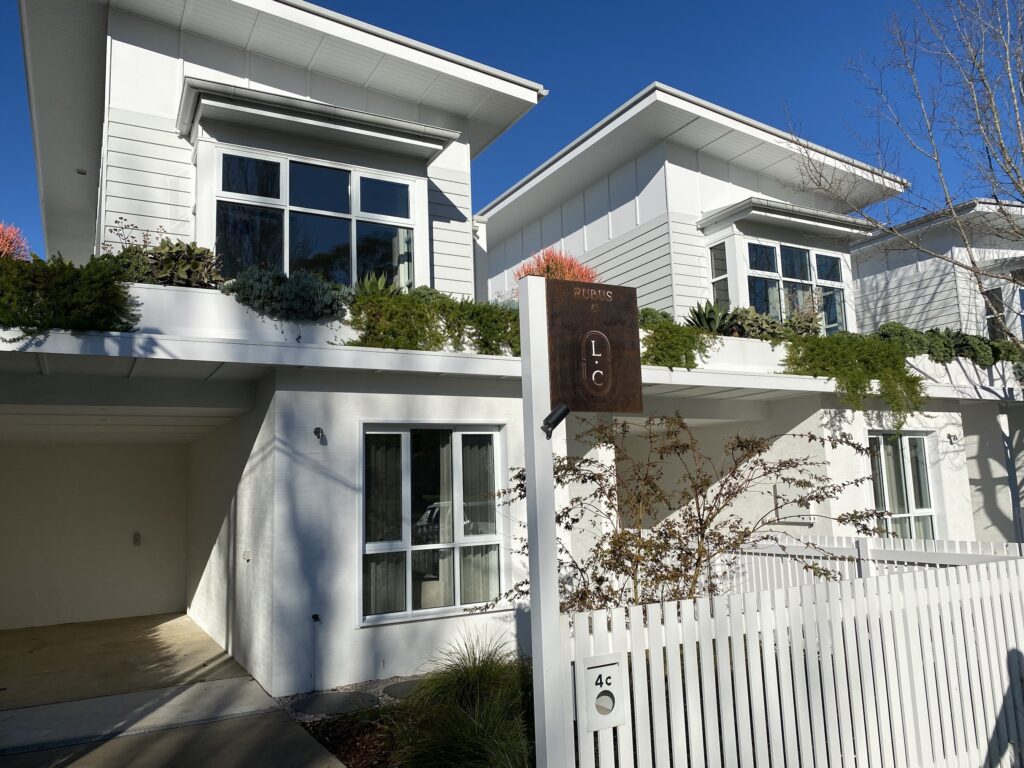
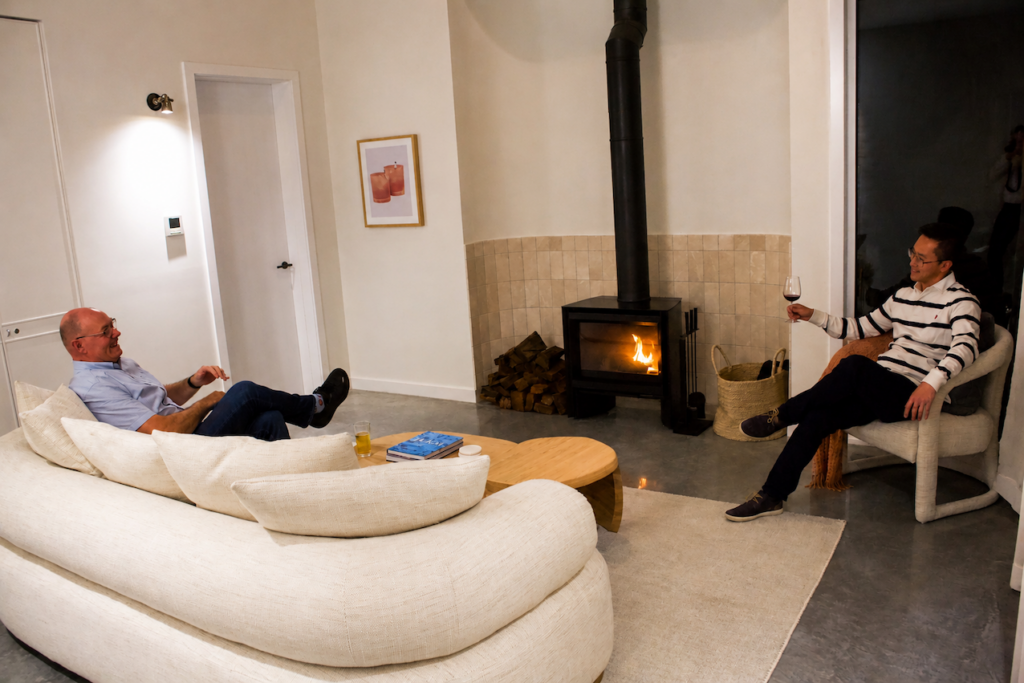
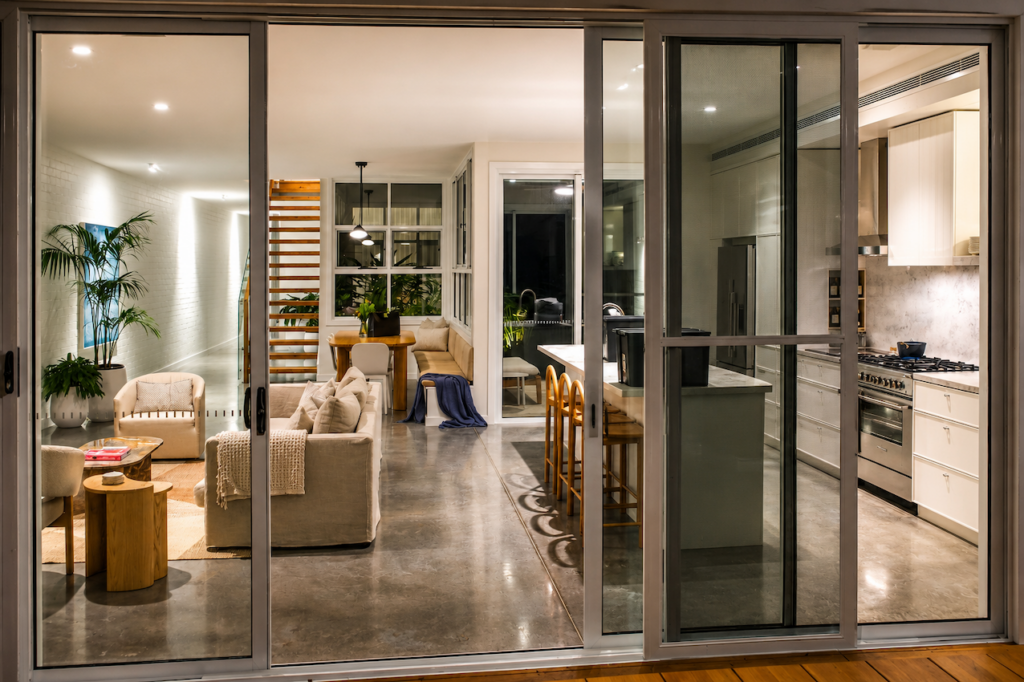
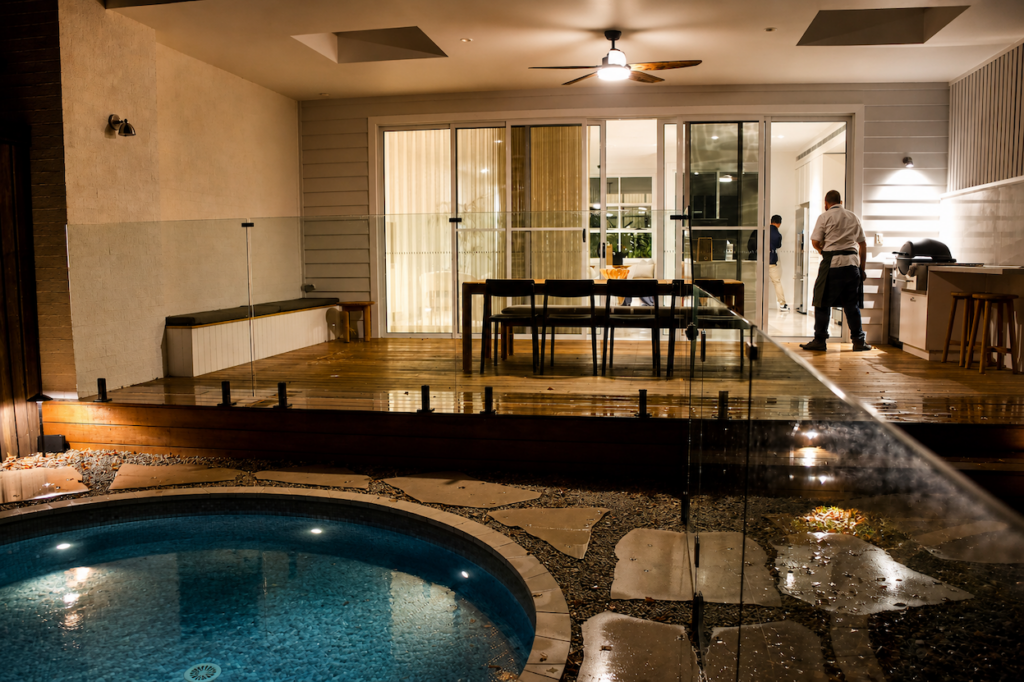
Rubus is the newest piece of the Linnaeus Collection, 7 properties in and around Berry assembled by Peter Yannopoulos, a Sydney developer. His family has holidayed on this coast since the early 1990s, at Vincentia, on the very bay where we watched whales at midday. "A deconstructed hotel" is how the collection's representative sums up the concept to us: the amenities of a hotel, from serviced rooms to room service, delivered across a group of holiday houses.
Dining comes in three formats. There is a "poolside menu" ordered by QR code and delivered to the house. There will be Sara, the collection's sixty-seat restaurant at Moraea Farm, opening to the public in August under chef Alex Prichard, formerly of Icebergs in Bondi.
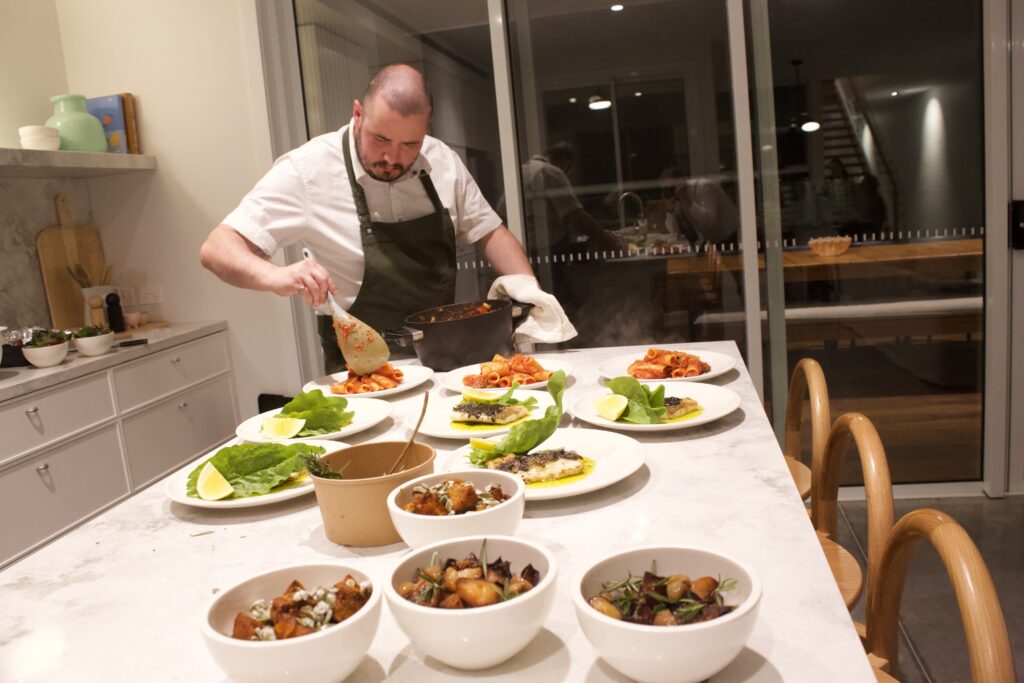
And there is what happens to us at 6:30, when Lewin, one of the collection's chefs, arrives to cook a custom menu in our kitchen. Lewin grew up in the region, spent 10 years working with Prichard in Sydney, and followed him home. His menu reads like an inventory of the farm three minutes from Berry's main street, where Sara will grow, he tells us, about 80% of its produce: 16 varieties of lettuce, herbs and native plants.
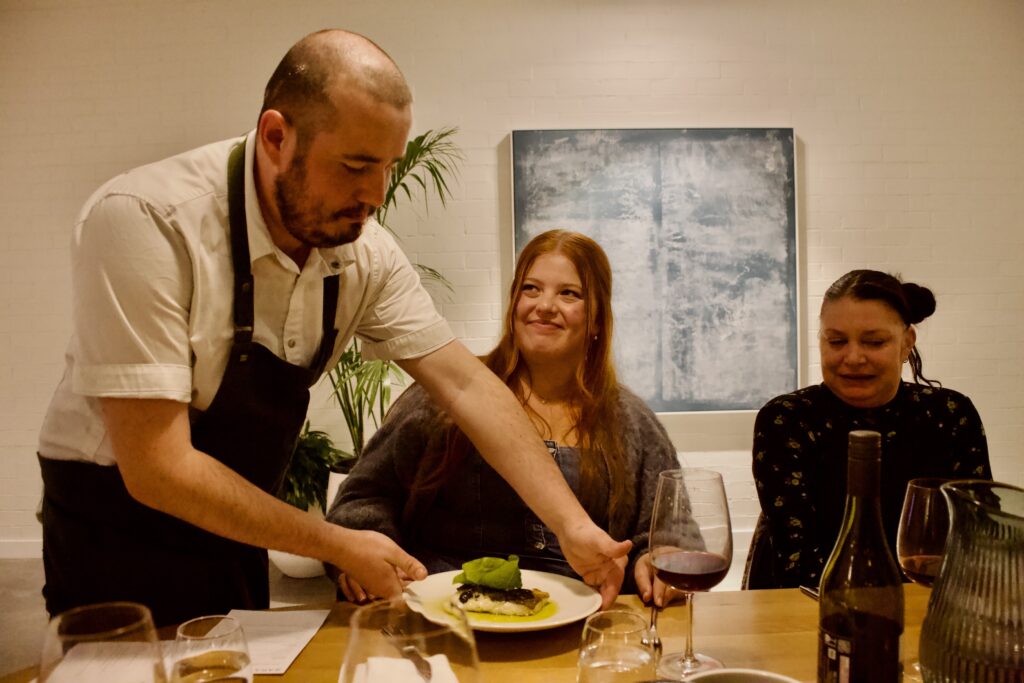
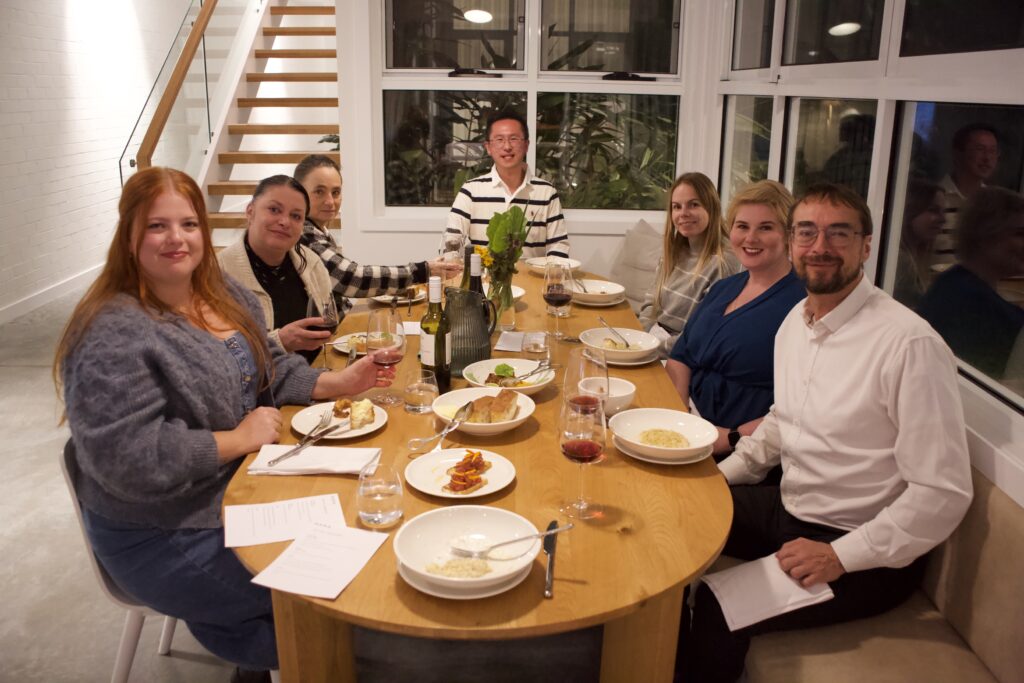
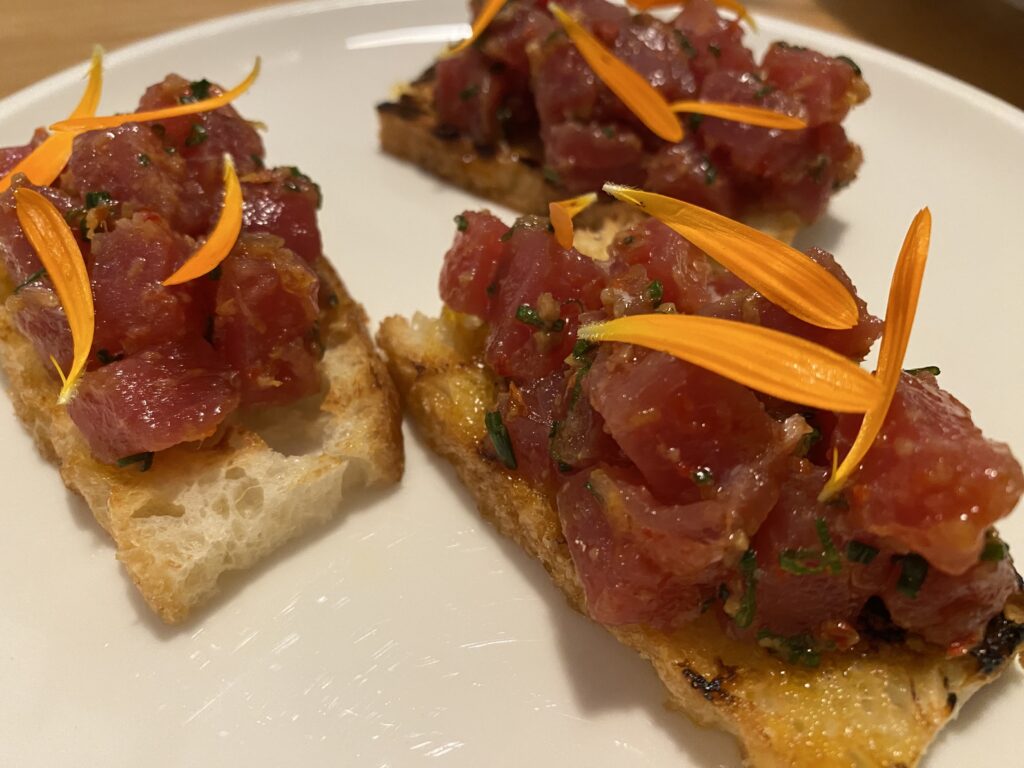
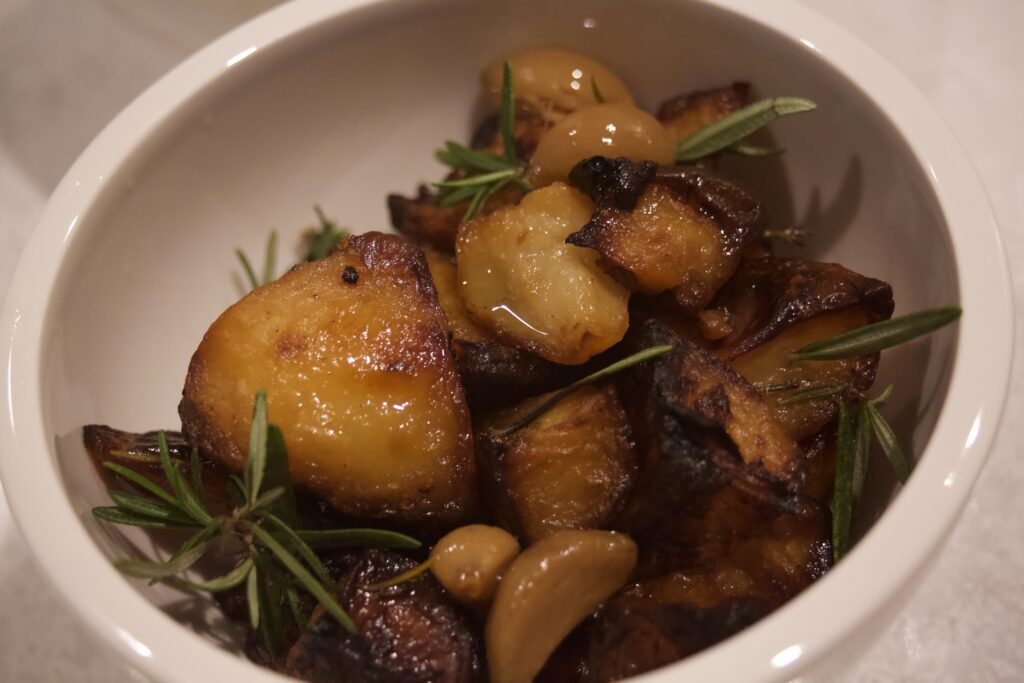
On the table tonight: Sonoma focaccia with whipped Coppertree Farms butter and Olssons salt, grilled Moreton Bay bugs with XO and lime, bluefin tuna crostini, Aquna Murray cod in kelp butter with lemon and garden sorrel, and a pavlova of Moraea Farm honey cream, strawberry gum and poached rhubarb, the rhubarb picked that morning.
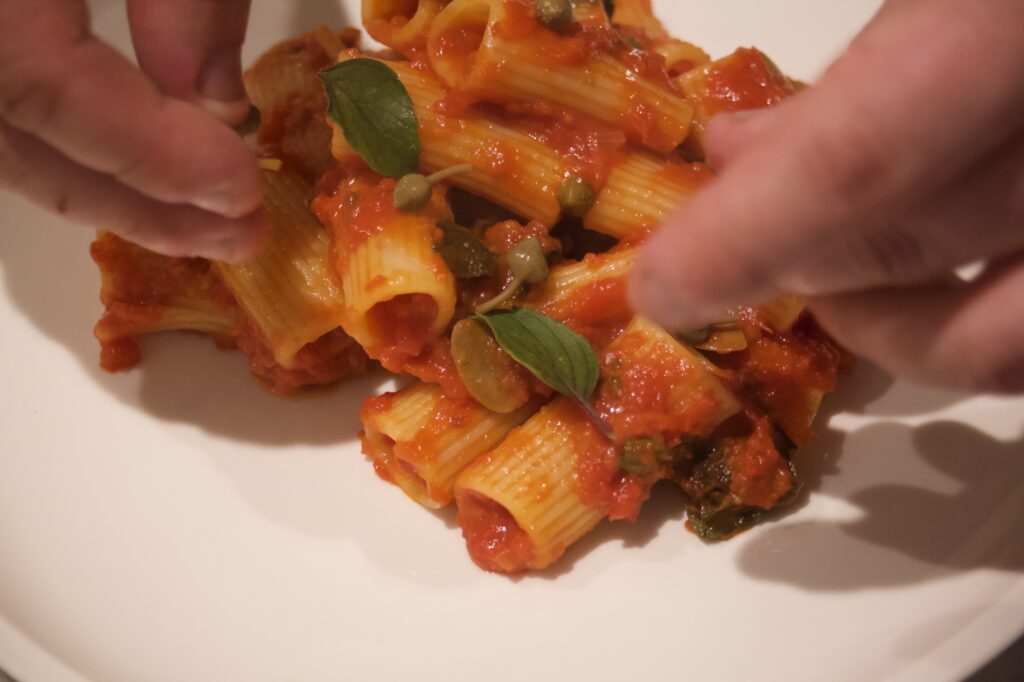
The restaurant's name carries the collection's story to the table: Linnaeus honours the Swedish botanist who gave science its naming system, Moraea Farm takes the maiden name of his wife, Sara Elisabeth Moraea, and the restaurant takes her first name, a tribute to the woman who, after his death, pushed his work out into the world. The restaurant will be open to the public, but the collection keeps tables back so its house guests always find one; one-night stays are possible midweek; and Berry is reachable by direct train from Sydney, with pick-up from the station arranged by the team.
Dinner stretches on in the warmth of the house. The day began with kangaroos in the half-light of Mill Beach; it ends around a kitchen bench in Berry, plates passing from the chef's hands to ours.
- Cupitt's Estate · Family-owned estate between Milton and Mollymook, on the hills above Ulladulla, combining an award-winning restaurant, cellar door, winery, microbrewery and fromagerie with 10 one-bedroom villas less than 100 metres away. Two villa types: standard units and 4 with a private outdoor bath on the deck, plus one fully accessible villa (no bath). In standard and accessible villas only, a sofa bed can be added on request (24 hours' notice, extra charge) for a third adult or two children under twelve; the outdoor-bath villas remain strictly two-guest. Minimum-stay conditions apply on selected dates (2 nights on weekends, 3 during summer school holidays).
- Jervis Bay Wild · All year from Huskisson (terminal at the Portside Café, west of the public wharf). 1.5-hour Dolphin Cruise, year-round, following the bay's bottlenose dolphins, with optional boom netting; 2-hour Whale Watching Cruise, seasonal from May to November, covering the northern humpback migration;