ACROSS AUSTRALIA FAMIL · MELBOURNE, ARRIVAL EVENING
As a prelude to a six-day famil organised for Across Australia by Sydney Melbourne Touring, a private tasting walk runs in Melbourne from Victorian wine to Italian pastry, via Chinatown oysters and Asian fusion.
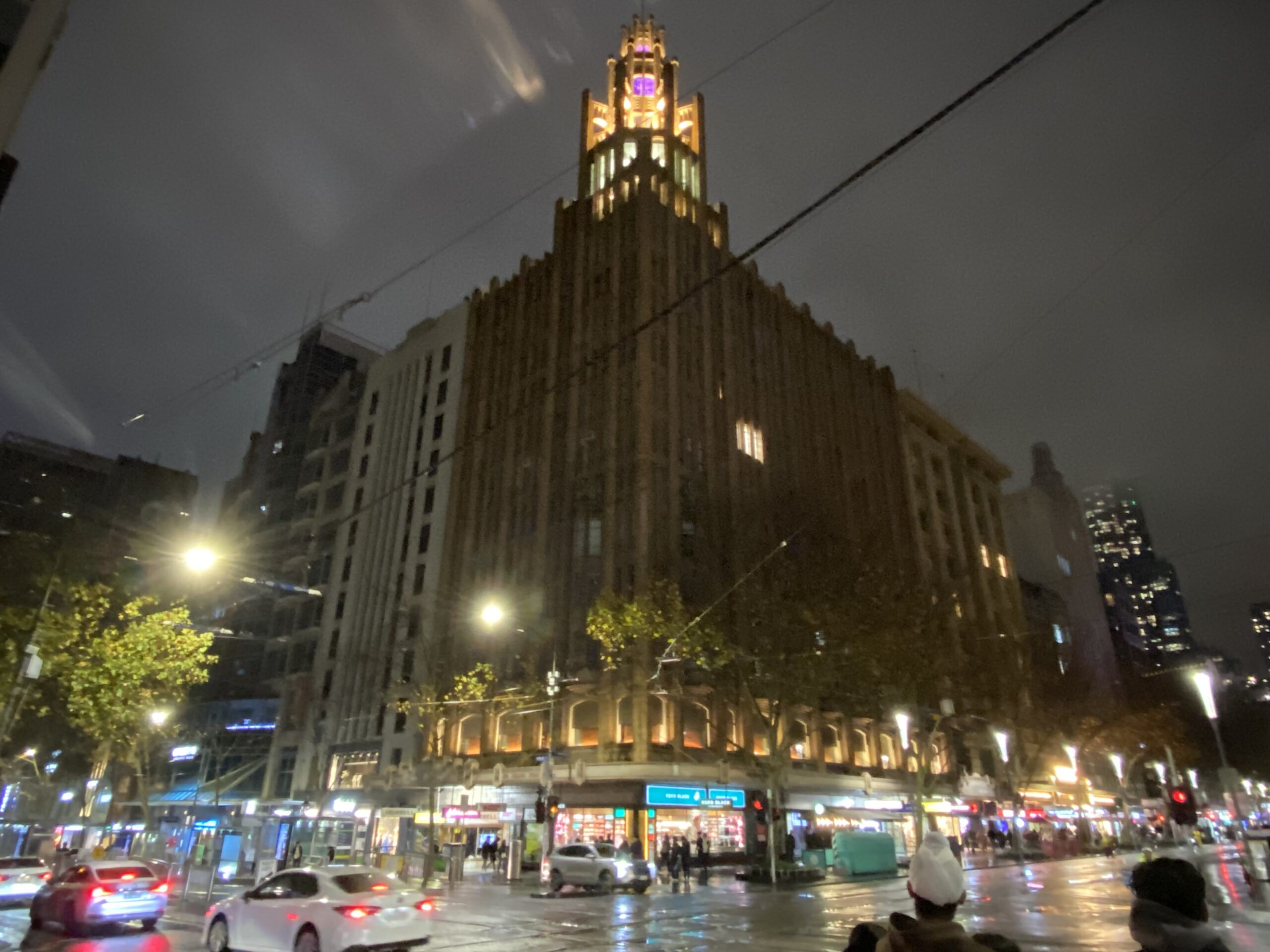
At 3.30pm, Christine pushes open the door of the Holiday Inn on Little Collins Street. Outside, the short midwinter afternoon is already fading, and dusk, she says, is when Melbourne comes into its own. The Foodie Trails guide has come to collect our Across Australia team: Tamara, Ashlee, Kristy, Patrick, Jessica, and Sabrina. For the next four and a half hours, the set will be the city itself.
The evening comes ahead of the famil proper, the one Sydney Melbourne Touring will launch the next morning and run toward Sydney along the coast, through the goldfields hills of Walhalla, then Wilsons Promontory, the Gippsland Lakes and the New South Wales coast to Jervis Bay and Berry. This prelude stays urban and on foot, a sensory introduction to the city and to the migrant history that has shaped its table.
We are not following this evening the regular Foodie trails tour route but a private version called “Taste Melbourne – History, Food & Culture.” Pickup is at the hotel, the start is brought forward into the afternoon, and the itinerary bends to the group on the day.
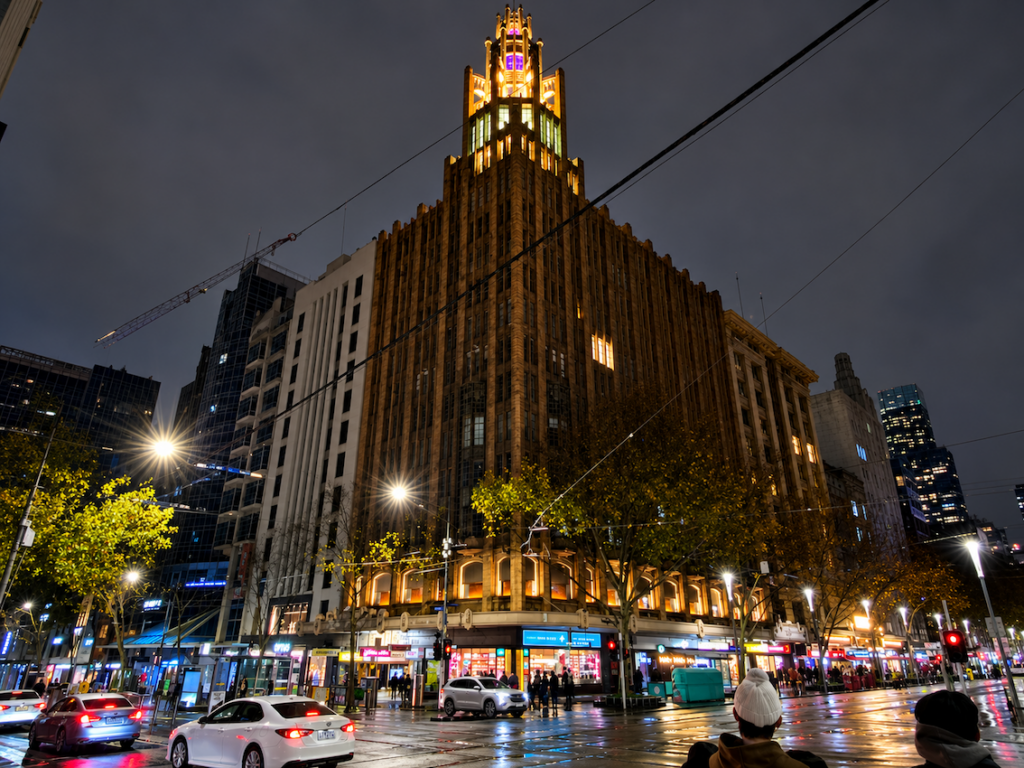
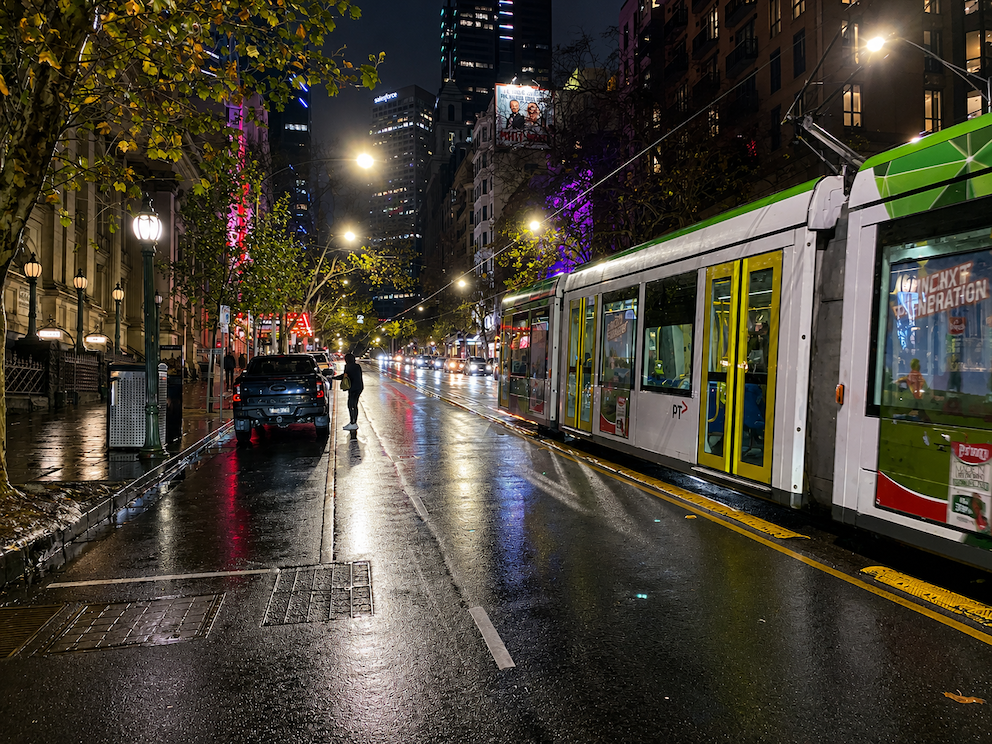
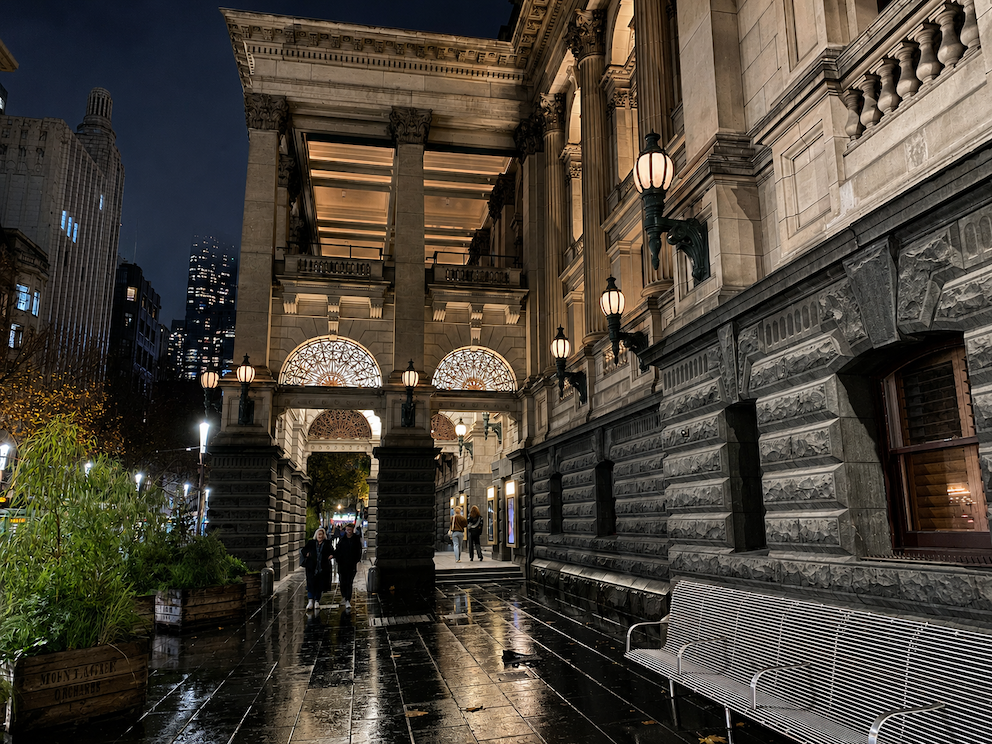
That flexibility is not an empty selling line. Christine frames it as the heart of the job. She keeps standing relationships with the venues she uses, dropping in regularly to check that everything is running. It is this network, she explains, that allows last-minute detours, like the time she rebuilt a tour for newlyweds leaving the next morning without having tasted a Victorian wine.
“We can pivot on the day, depending on what our clients really want.” Christine, Foodie Trails guide
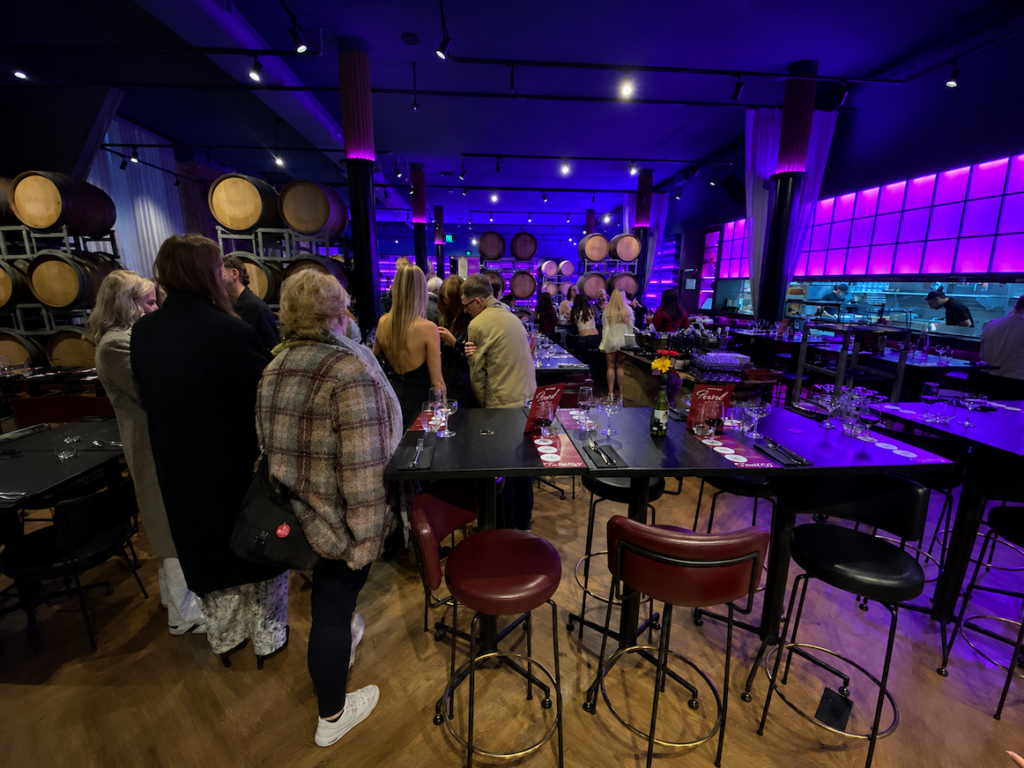
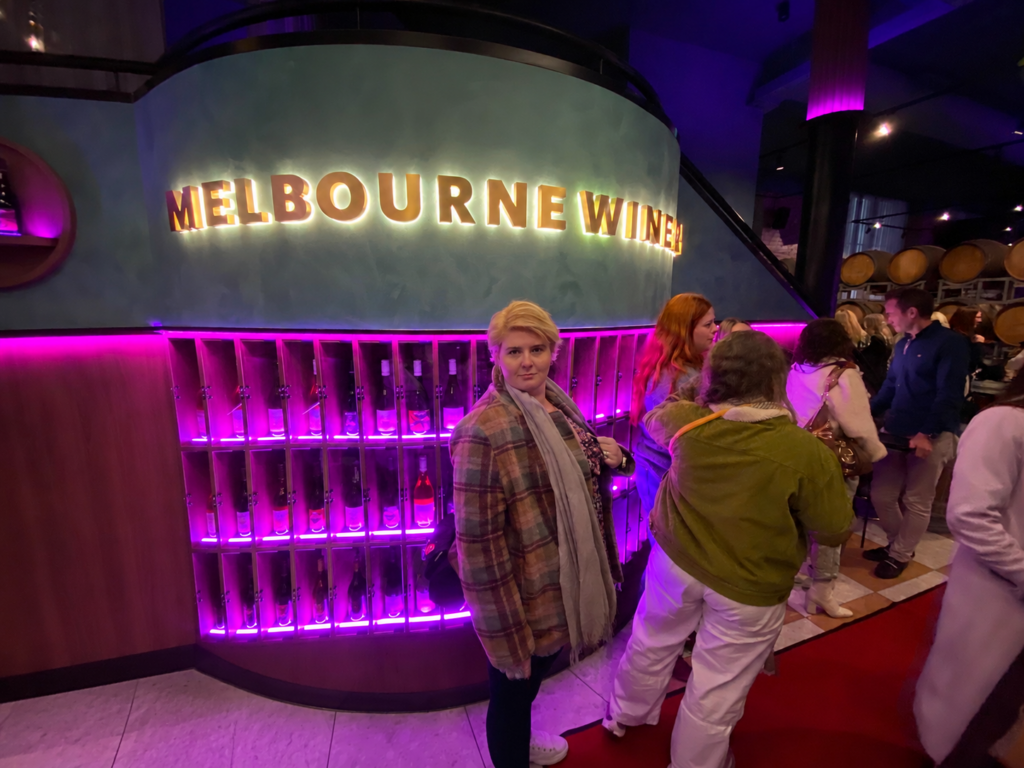
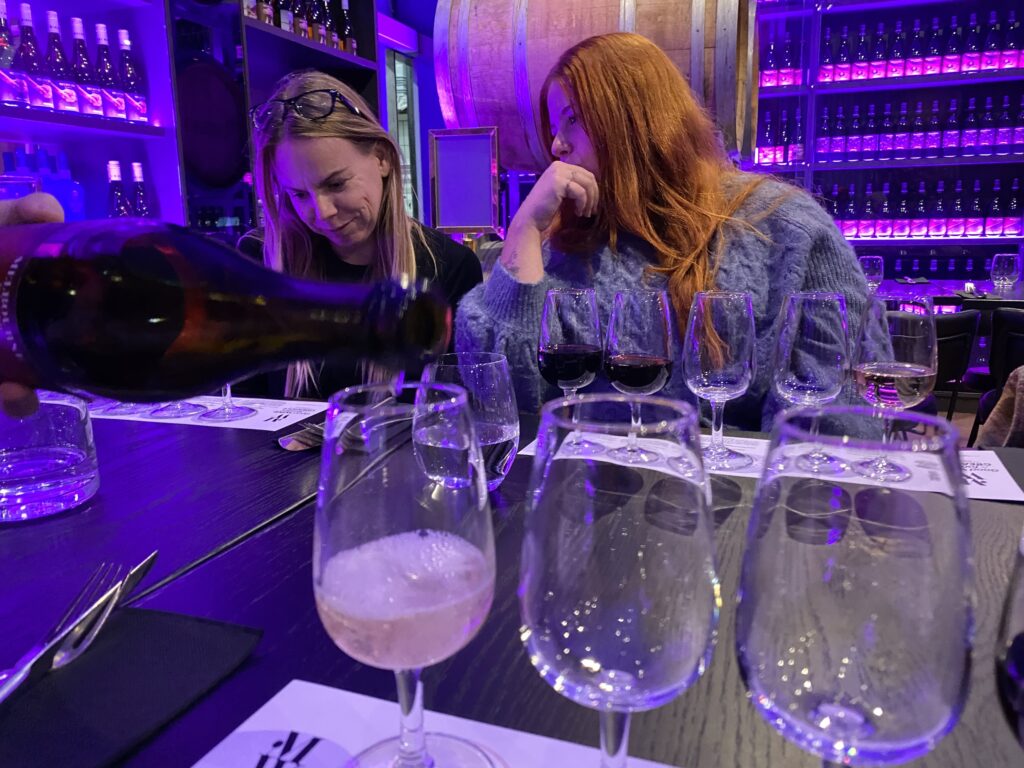
The walk opens at "Melbourne Winery" on Flinders Lane, which bills itself as the city’s first urban winery, making its wine in the CBD from regional Victorian fruit. The team gathers around a flight of five wines, served with pizza and risotto. The choice of opener is deliberate. It introduces, from the first glass, the Italian imprint on Melbourne’s cooking, a thread Christine returns to later.
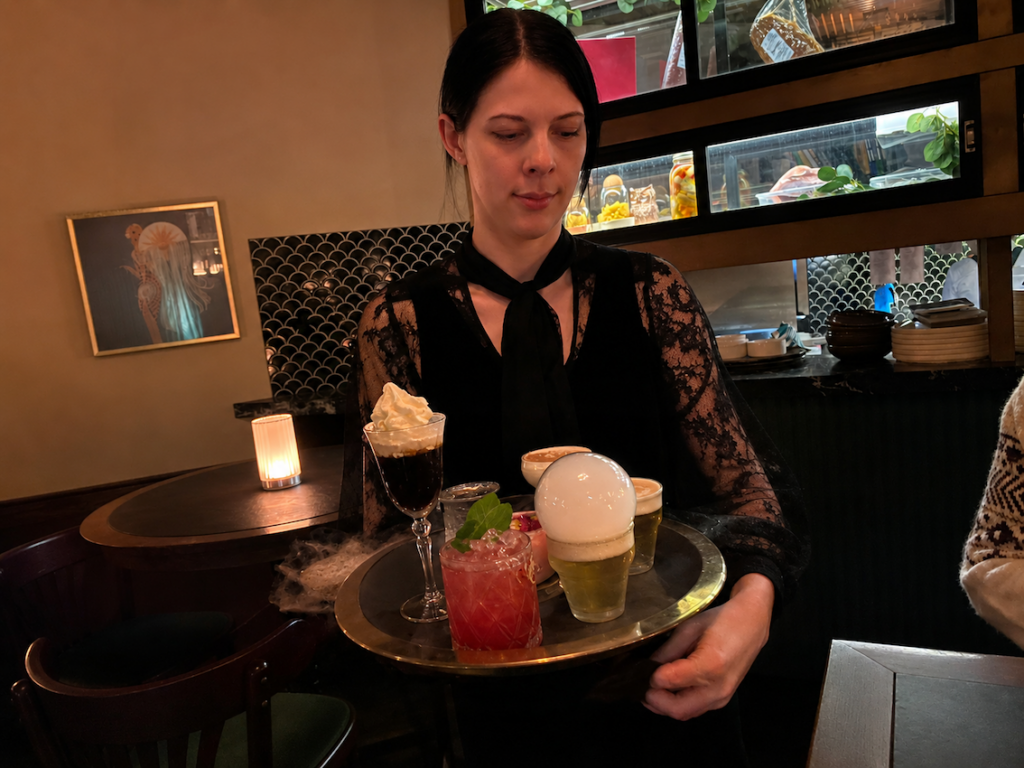
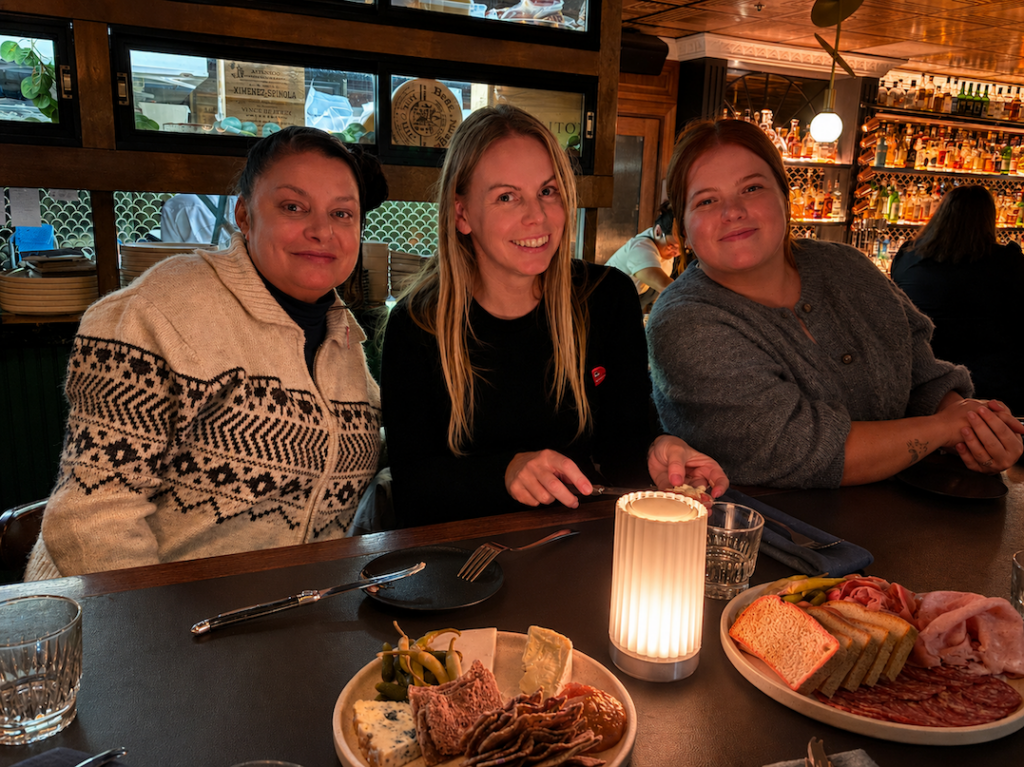
We then moves to Nick & Nora’s, reached through Benson Walk, an arcade linking Collins Street and Little Collins Street. Run by the Speakeasy Group and dressed in Art Deco, it takes its name and its mood from Dashiell Hammett’s 1934 detective story The Thin Man. Inside, the atmosphere shifts into 1930s glamour: dim, theatrical lighting, polished finishes, plush seating, Champagne accents and a sense of old-world decadence that feels closer to a post-Prohibition soirée than a conventional CBD bar. Over a cocktail and a shared platter of cheese and charcuterie, the room makes its own point about Melbourne, the city of places you find only when you know where to look.
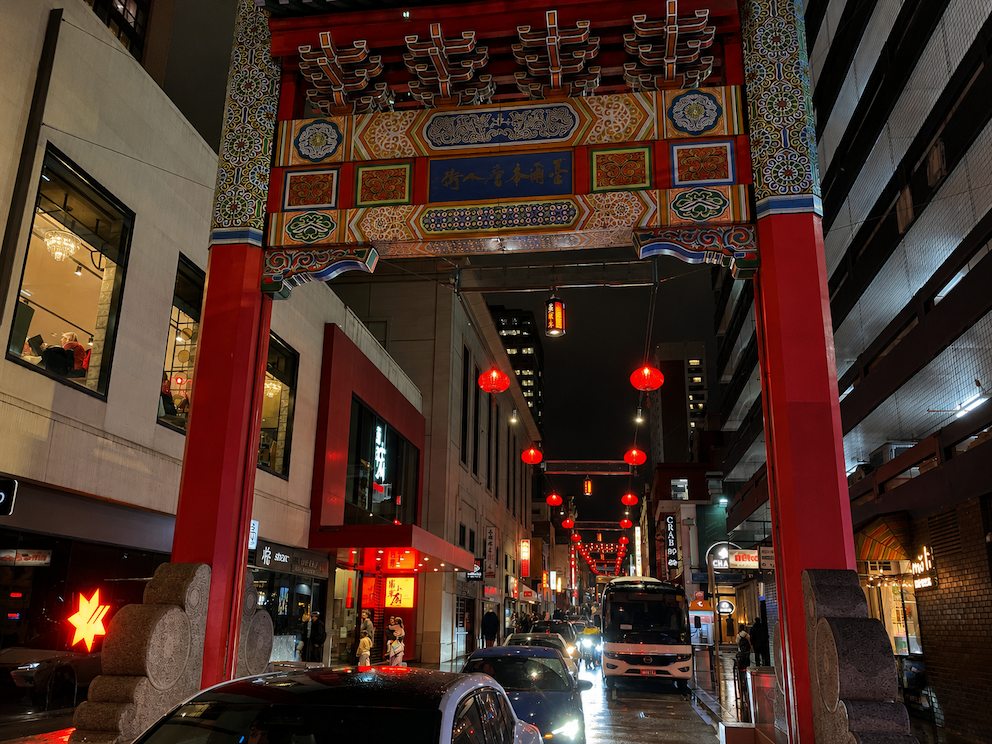
Next comes Chinatown, which Christine presents as one of Melbourne’s most enduring food precincts and the oldest Chinatown in Australia, with roots reaching back to the gold rush years of the 1850s. More precisely, it is often described as the longest continuous Chinese settlement in the Western world, its centre still running along Little Bourke Street and the laneways around it. The oyster tasting takes place at Muli Express, a tiny family-run oyster bar at 163 Little Bourke Street, opened by the Tran family behind Muli and the former D&K Live Seafood. The experience is deliberately direct: guests stand at the counter, choose from a changing selection of Australian oysters, and watch them being shucked to order. The best oysters, Christine notes, come from cold waters, and here the tasting becomes a quick geography of the Australian coast, with varieties sourced from places such as Tasmania, New South Wales, South Australia and Western Australia.
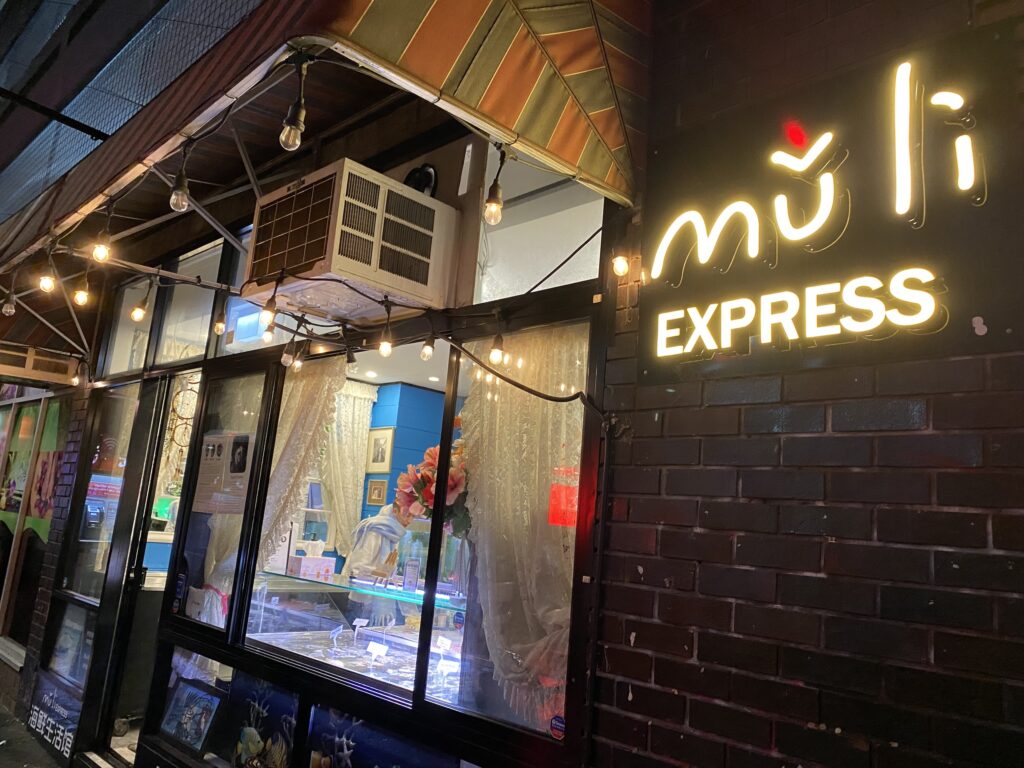
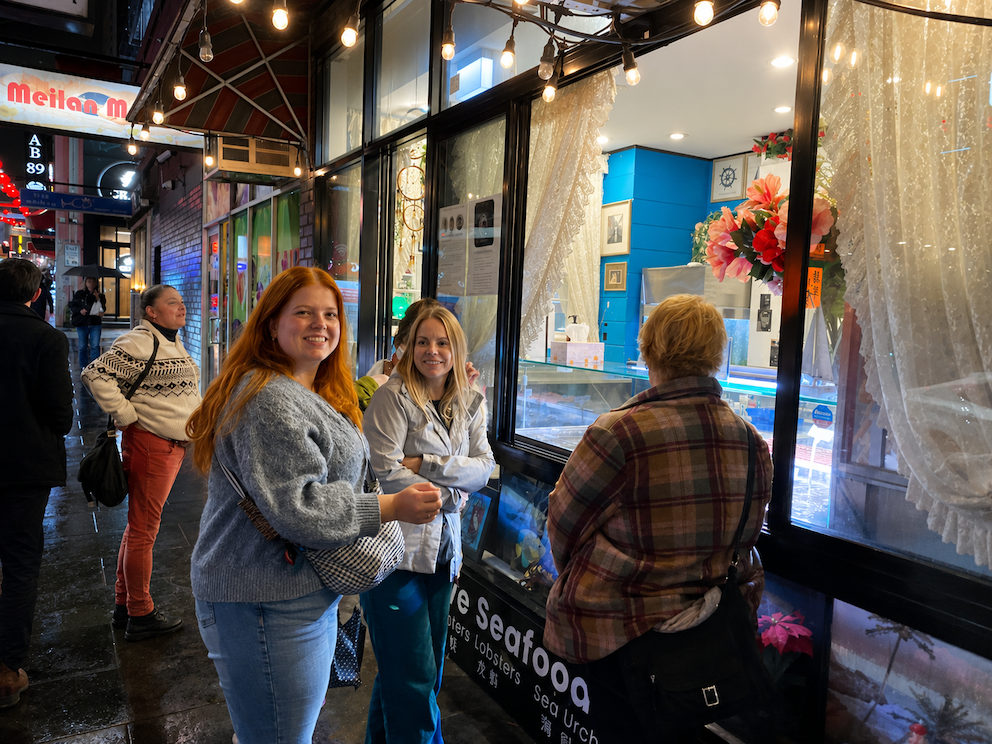
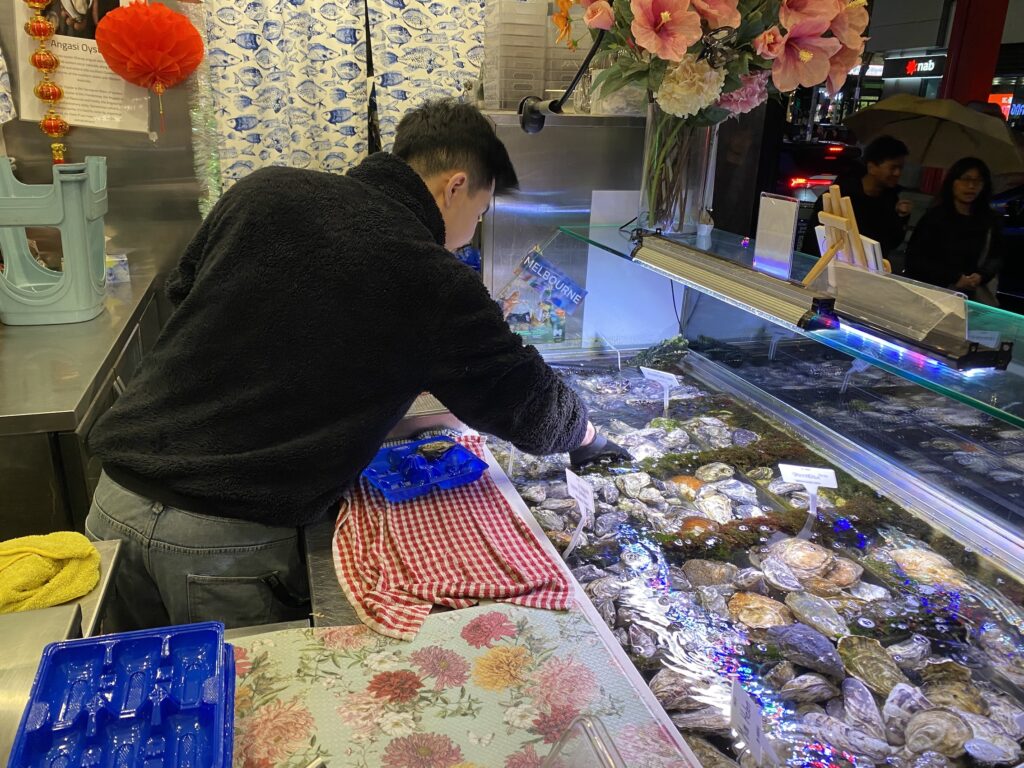
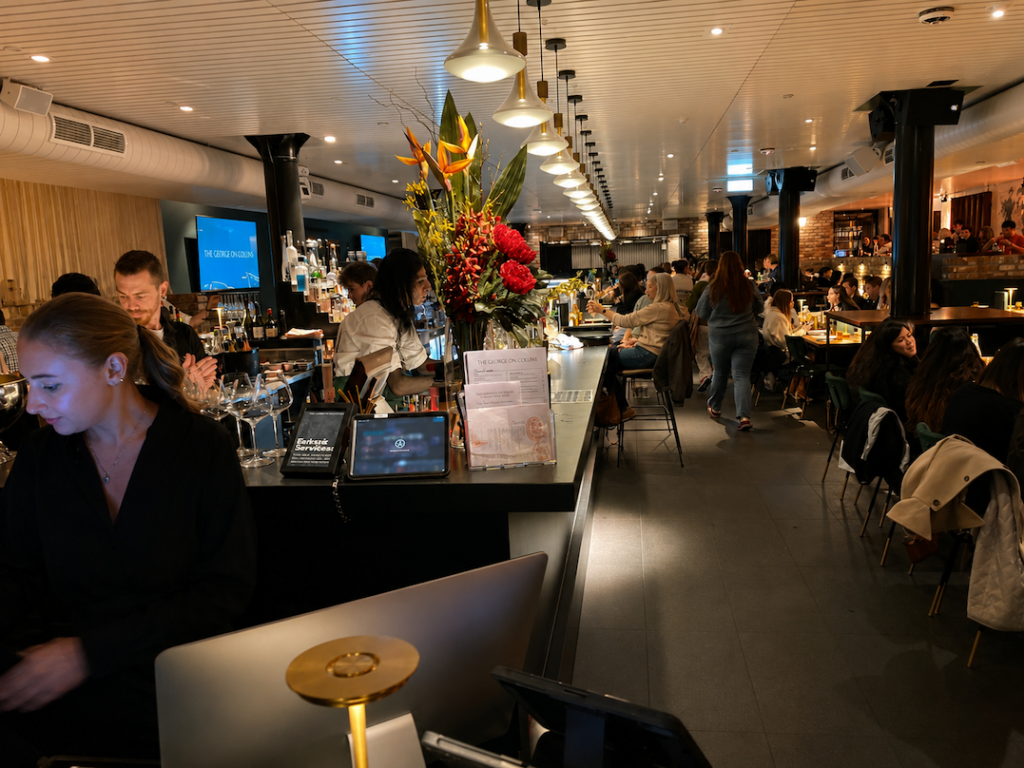
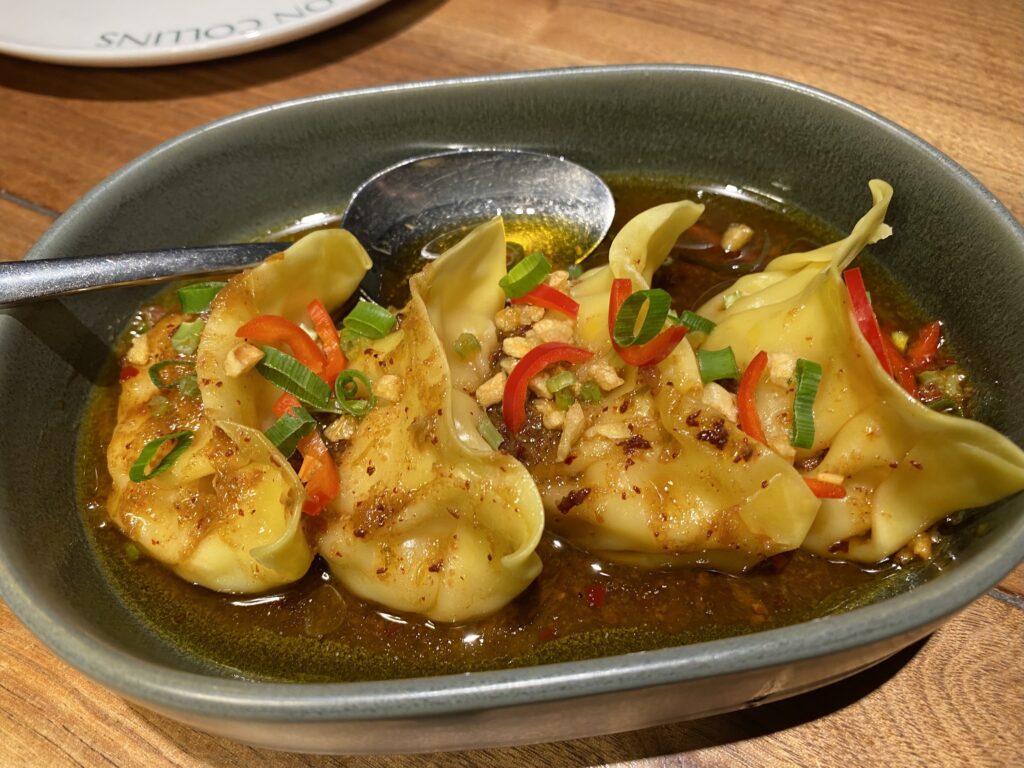
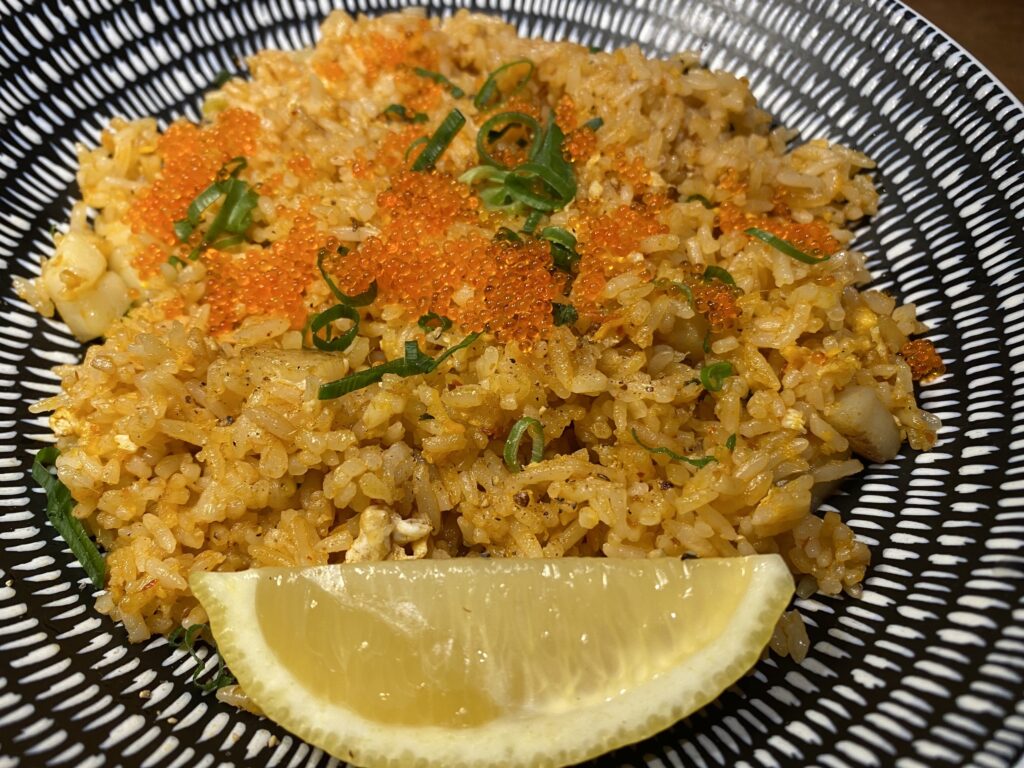
The following stop trades tradition for contemporary invention. The George on Collins is a basement bar and restaurant of Collins Street, on the Paris end of the street, set within the historic Georges Building, an 1880s Melbourne landmark. Here, according to Christine, young Melbourne chefs show their boldest work, building share plates around South-East Asian flavours, Australian produce and the city’s instinct for cross-cultural cooking. Chinese, Vietnamese and Malaysian accents meet a more European sense of structure: the dishes are generous, layered and made for the centre of the table. After Chinatown’s intimacy and immediacy, The George expands the same story into a more polished register, showing how Melbourne keeps turning inherited food cultures into something contemporary, social and unmistakably its own.
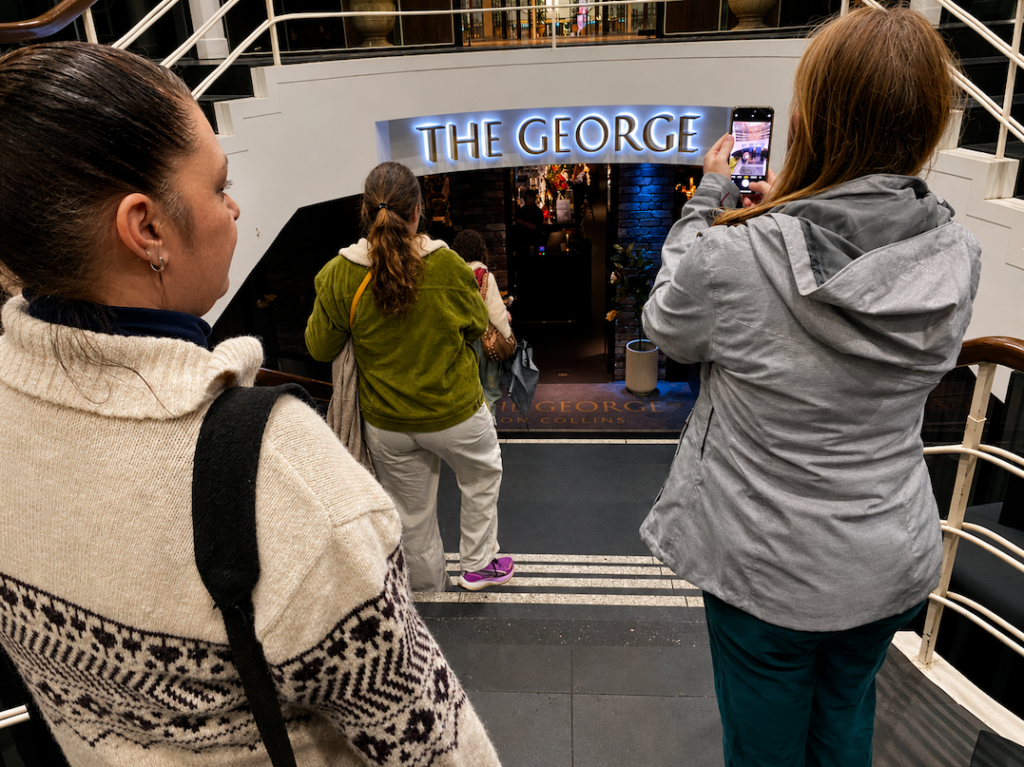
Between tastings, Christine turns the city into an open-air history book, and Foodie Trails has made that reading its signature. For Himanshi Munshaw Luhar, the operator’s Director and Chief Foodie, Melbourne’s food culture cannot be separated from the successive waves of migration that have shaped the city since European settlement in the 1830s. In Foodie Trails’ own words, this diversity has created “an ever-evolving melting pot of history, food and culture”. The figures often quoted tell the same story: Victorians drawn from more than 200 countries, speaking 260 languages and dialects, and following 135 faiths. Presented today, they are best understood as a cultural snapshot rather than a fixed statistic, with more recent Victorian Government data pointing to an even broader picture.
“An ever-evolving melting pot of history, food and culture.” Himanshi Munshaw Luhar, Director & Chief Foodie, Foodie Trails
The 1851 gold rush sits at the centre of Christine’s account. Within little more than a year, around 90,000 newcomers had reached Victoria in search of gold, transforming the young colony and turning Melbourne, its port and commercial gateway, into one of the great boom cities of the nineteenth century. The rush brought migrants from across Britain, Europe, North America and China, and helped anchor a Chinese community around Little Bourke Street. The Italian thread, for its part, becomes more visible in the post-war years, when assisted-migration schemes brought workers who would help build the city’s infrastructure, industry and, gradually, its appetite.
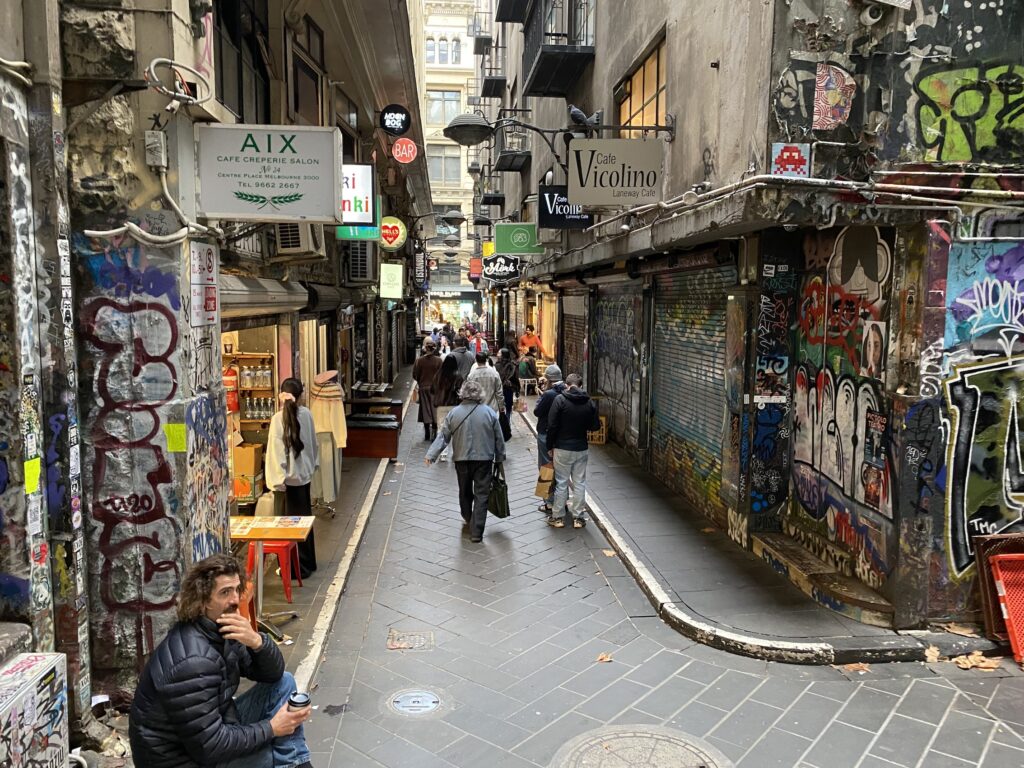
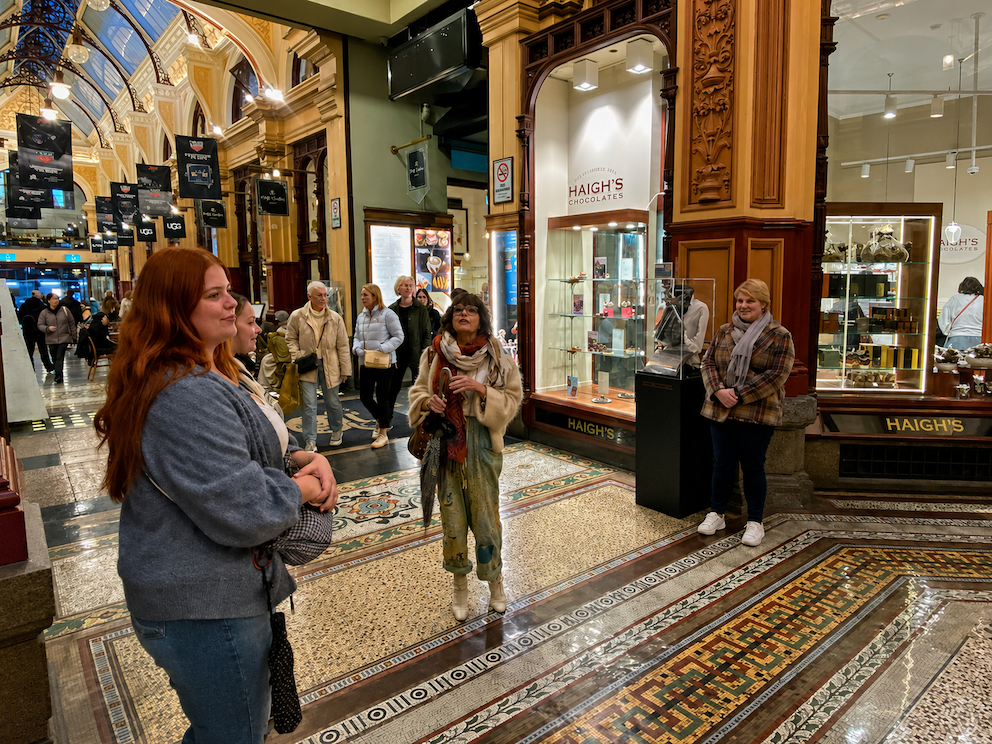
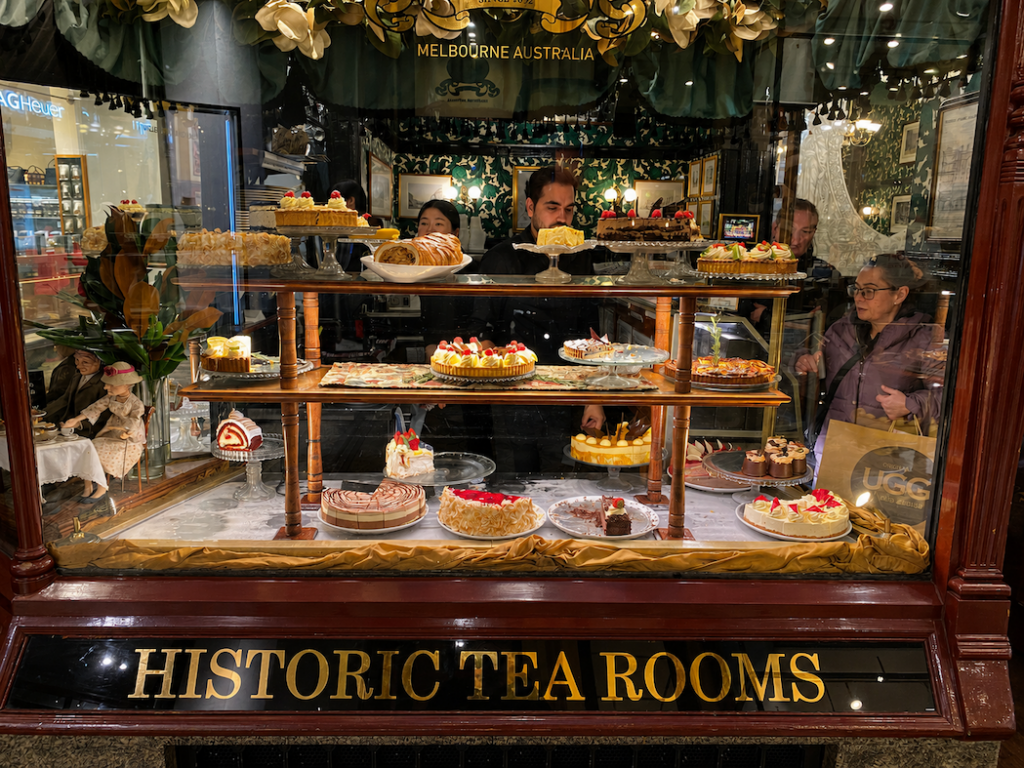
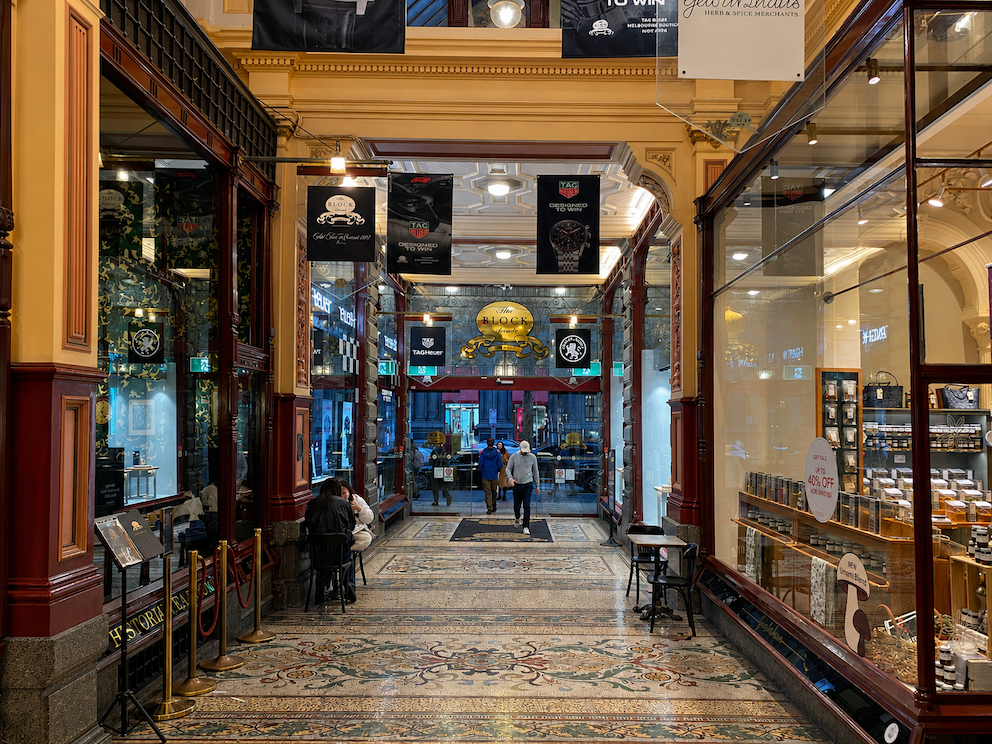
The walking route reinforces the story. We cross the city’s heritage arcades, among them The Block Arcade, with its mosaic floor, glass canopy and late-Victorian elegance. It passes Gewürzhaus, a spice house offering more than 350 single-origin spices and unique blends, opposite the historic tea room space associated with Melbourne’s high-tea tradition since 1892. Here again, food becomes a map: not only of places to eat, but of the communities, trades, rituals and migrations that have made Melbourne what it is.
The tour closes around 8.00pm at Brunetti Oro, a Melbourne sweet-and-coffee institution whose story neatly brings the walk back to the Italian thread running through the evening. Christine ties the name to the Angele family and its patriarch, Giorgio Angele, who began training as a pastry chef in Rome at the age of ten before travelling to Melbourne in 1956 with the Italian Olympic team. “He came as part of the Games’ culinary staff, stayed after the Olympics and opened his first cake shop in Kew East, planting the seed of what would become one of the city’s most recognisable Italian hospitality names”, Christine explains.
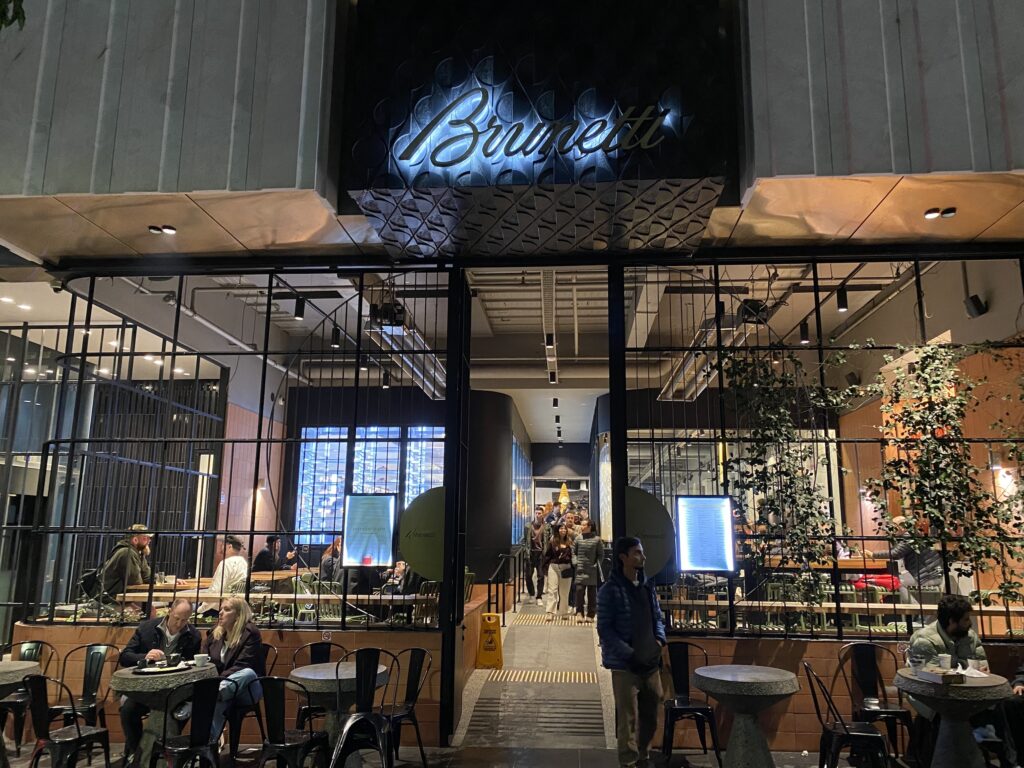
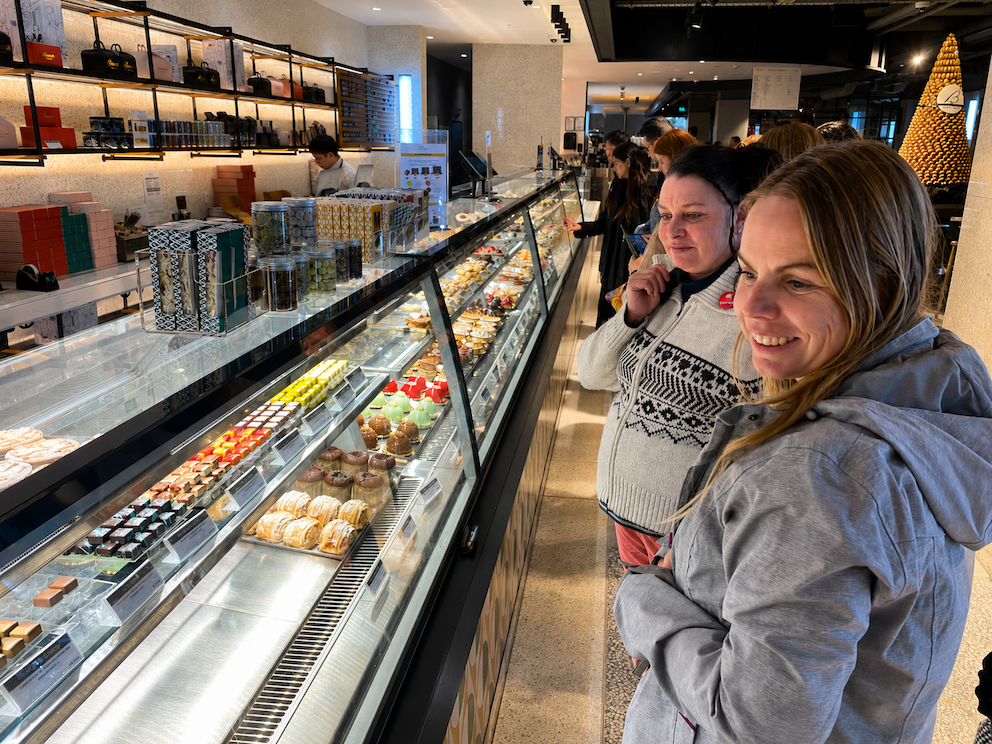
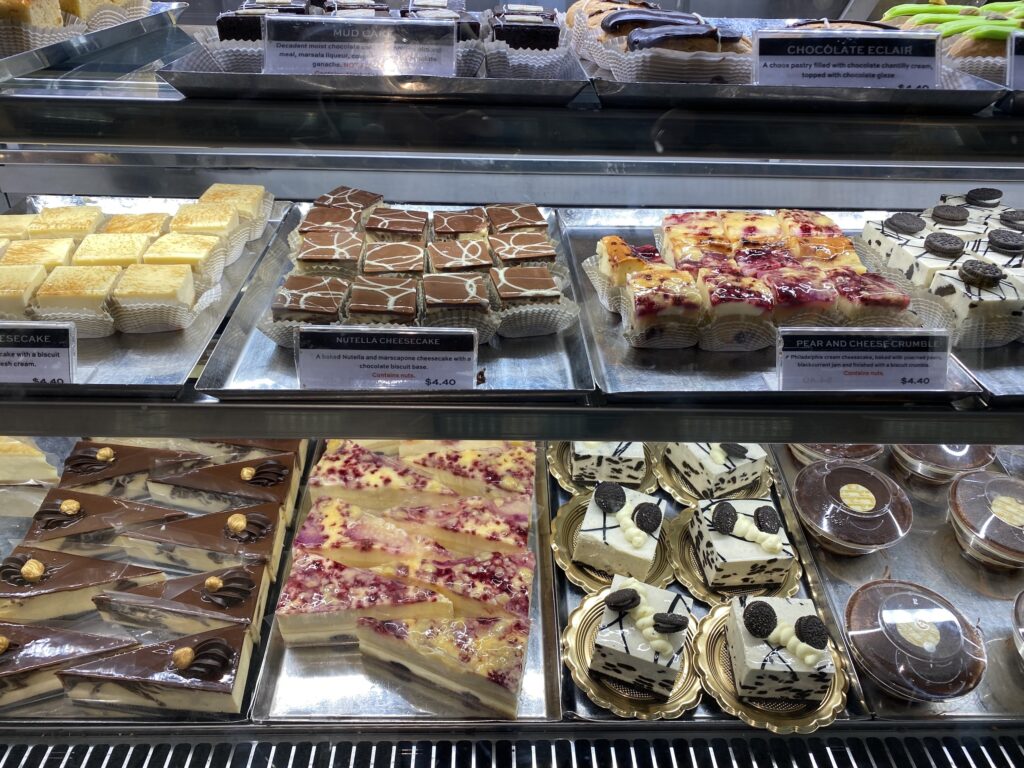
The detail matters because it turns the final tasting into more than a dessert stop. At Brunetti, coffee, cakes, gelato and pastry belong to the same migration story as the earlier glasses, oysters and shared plates: a story of skills carried across oceans, adapted to a new city, and eventually absorbed into Melbourne’s daily rituals. In the glass cases and the steady rhythm of espresso service, the evening finds its closing image. Melbourne’s food culture is not presented as a single cuisine, but as an accumulation of arrivals, memories and habits that have become local by being lived, repeated and shared.
The product is solid and it tells well, which makes it a strong opening to a city stay. Two caveats deserve to be stated plainly. First, the addresses named here are the evening’s, not a fixed itinerary. Christine builds her route around timing, the meeting point and the team’s appetite, so the experience and its spirit are the thing to sell, not a set list of restaurants.
Second, the version our team lived was a private VIP format, longer and with hotel pickup. The publicly bookable product runs to a more standard frame, set out below. As for price, it is not published and should be confirmed with the operator.
What remains is best summed up by the evening itself. By the time the team steps out of Brunetti, the city has switched on its lights one by one. Melbourne is not only seen. It is tasted.